Evaluating the Miss Ms Mrs Nurse SVG for Embroidery Projects
When a new design lands in my digital library, I approach it not just as a file, but as a potential physical product. The Miss Ms Mrs Nurse SVG immediately presents itself as a classic sentiment piece with a specific, heartfelt audience. Before I even consider loading it into my software, I’m imagining it stitched onto a soft cotton robe for a nursing graduate or appliquéd onto a cozy blanket for a new nurse mom. The mood here is celebratory, personal, and professional—a trifecta that makes for a strong gift or merchandise item.
First Impressions: A Clean, Sentimental Layout
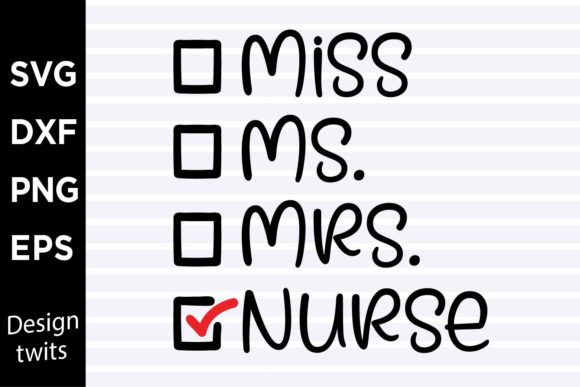
The design’s personality is clear and straightforward. The typography choice is typically clean, which is excellent for embroidery where overly ornate fonts can become muddled stitches. The layout of “Miss,” “Ms,” “Mrs,” with “Nurse” prominently centered suggests a thoughtful customization option. This isn’t a generic graphic; it’s a prompt for personalization, which is gold for anyone in the handmade or personalized gift space. For an embroidery designer, this means the design naturally belongs to projects meant to honor, celebrate, or professionally identify someone. Think custom apparel like sweatshirts for nursing school groups, embroidered patches for work bags, or delicate stitching on the corner of a nurse’s pillow cover.
A Real Scenario: Crafting a Boutique Gift Tote
Let’s walk through a real-life application. A client requests a gift for a nurse finishing her advanced studies. They want a high-quality tote bag she can use for work or daily life. I’m considering the Miss Ms Mrs Nurse SVG. The design’s structure, with its clear titles, would allow me to easily embroider just “Ms Nurse” if that’s her preference. On a tote bag, the scale matters. I’d likely size it to occupy a central panel, ensuring the lettering is large enough for stitching clarity but not so large that the satin stitch fill on “Nurse” becomes overly dense and stiff on the fabric. The transparent background PNG provided is a bonus here, letting me create a printable mockup for the client to approve the placement visually before I ever hooped the fabric.
Performance Across Typical Embroidery Situations
This design shines in projects where recognition and sentiment are key. On a baby item like a onesie for a nurse’s newborn, using a simple running stitch outline for the smaller text might be wiser than a full fill to keep it soft. For a holiday gift like an apron, the bold “Nurse” centerpiece would stitch out beautifully with a dense fill stitch, creating a professional, durable finish. As a small shop product, it could be a staple for an Etsy seller specializing in medical profession gifts—embroidered on tea towels, kitchen towels, or caps. The inclusion of SVG, EPS, DXF, and PNG files means versatility. The vector files (SVG, EPS, DXF) are crucial for clean scaling in embroidery software, while the high-res PNG is perfect for creating digital product previews or using in other craft business graphics.
However, its performance depends entirely on thoughtful execution. The distinction between the smaller words (“Miss,” “Ms,” “Mrs”) and the larger “Nurse” creates a natural hierarchy, but it also requires attention to detail. On a dark fabric, like a navy blue sweatshirt, you’d need to ensure your thread color choices provide enough contrast—a white or light grey for the primary text, perhaps a contrasting hue for the smaller titles if you want them to pop. This design would add significant product value and customer trust when stitched neatly, as it feels exclusive and thoughtfully tailored.
Where to Exercise Caution
There are a few scenarios where I’d use this design carefully. Firstly, in very small hoop sizes. If you try to miniaturize it for a tiny patch on a hat, the smaller lettering could lose definition, becoming a blob of stitches. Always test the design on scrap fabric first at your intended size. Secondly, on textured fabrics like thick sweaters or stretchy fabric like certain t-shirts. The fill stitch area on “Nurse” requires good stabilizer to prevent puckering. Thirdly, on items needing frequent washing, like work uniforms or everyday tote bags. A dense fill stitch can hold up well, but you must use quality thread and secure stitching techniques to ensure longevity, maintaining that professionalism in the finished product.
The Impact on Your Craft Business
For a creative entrepreneur, this design is more than an embroidery file; it’s a design asset that taps into a niche market. Its visual appeal is clean and easily understood, which aids in brand consistency if you specialize in celebratory or profession-based items. The handmade presentation of an embroidered version, versus a printed one, elevates its giftability. For commercial embroidery projects, like producing a batch for a nursing school event, the design’s straightforward layout allows for efficient production once the sizing and thread palette are set.
It also affects buyer engagement. A customer looking for a nurse gift isn’t just buying a decorated item; they’re buying a symbol of recognition. The design facilitates that emotional connection. In your Etsy listings or craft fair products, showing it embroidered on a beautiful bag or apron tells a story immediately.
Practical Notes From the Hoop
My standard process with such a design involves a few key steps. After reviewing the files, I would:
- Check thread color contrast in my software’s simulation view, and then physically test on light and dark scrap fabric.
- Review stitch density on the larger text elements when scaled to my target size. Too dense can make fabric stiff; too sparse can look weak.
- Inspect small details like the corners of letters in “Ms” and “Mrs” at my intended hoop size to ensure they’ll stitch cleanly.
- I’d test it in black and white mockups to see how it reads without color, ensuring the layout is strong even in monochrome for potential alternative applications.
- Crucially, I would confirm the licensing before selling any finished items or digital products incorporating the design. The product description says to message with any questions, which I interpret as a necessary step to clarify commercial use rights.
Finally, while the provided file formats are excellent for versatility, specifics like exact stitch count or minimum recommended hoop size aren’t given. Those are determined by your embroidery software when you scale the machine embroidery design. Always run a test stitchout. A successful embroidery project with the Miss Ms Mrs Nurse SVG will result in a product that feels both professionally crafted and personally meaningful, exactly what your clients in this niche are looking for.