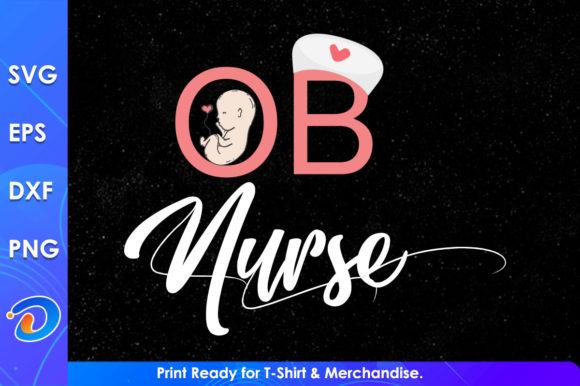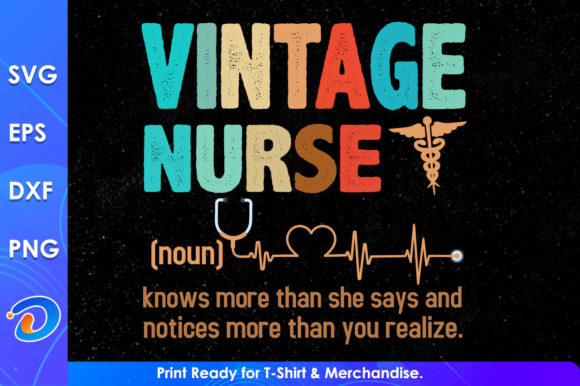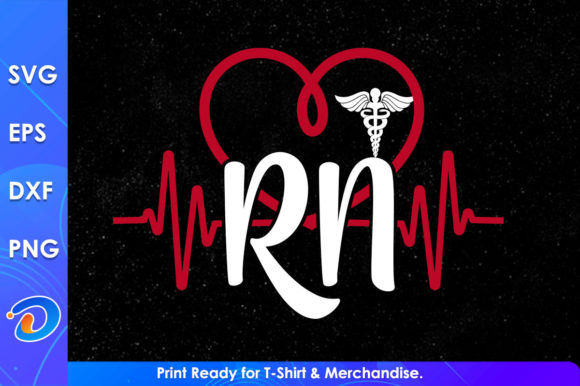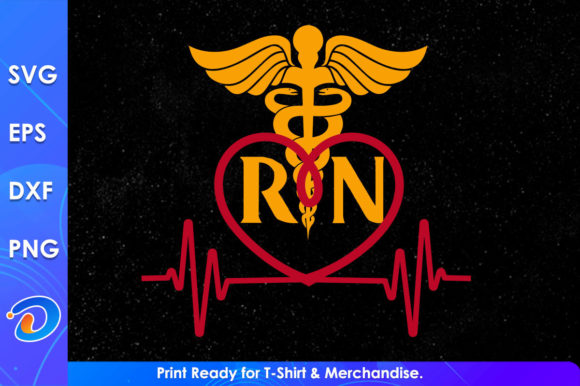
Evaluating the Awesome Nurse Design for Embroidery Projects
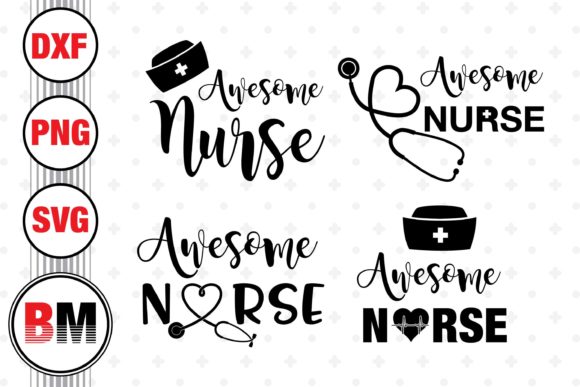
When a new design lands in my digital toolbox, the first thing I do is imagine it stitched. Not as a flat graphic on a screen, but as thread and texture on real fabric. The "Awesome Nurse" design immediately conjures a specific, warm feeling. It’s celebratory and appreciative, with a bold, friendly energy that feels perfectly tailored for creating something heartfelt.
The Immediate Mood and Project Fit
The visual personality here is clear and uncomplicated. The central motif is strong and iconic, promising excellent stitch clarity. This isn’t a subtle, abstract piece; it’s a design that speaks directly and with gratitude. My mind instantly goes to projects meant as tangible thank-yous: a custom tote bag for a nurse finishing a tough rotation, an embroidered pillow cover for a healthcare worker’s lounge, or a personalized kitchen towel for a nurse who also loves to bake. The layout suggests it will scale well, maintaining its character from a smaller patch on a cap to a larger feature on a sweatshirt.
For small business owners and Etsy sellers, this is a design that taps into a universal sentiment. It’s perfect for boutique merchandise around Nurse’s Week, graduation gifts for nursing students, or simply as a stock item for customers looking for a meaningful personalized gift. The theme is recognizable and emotionally resonant, which directly boosts giftability and buyer engagement.
Performance in Real-Life Embroidery Scenarios
Let’s walk through a real case. I’m picturing preparing a custom embroidered sweatshirt as a gift. The "Awesome Nurse" design, with its likely bold outlines and solid interior shapes, would translate well into machine embroidery. On a mid-weight cotton sweatshirt fabric, using a good cutaway stabilizer, I expect the fill stitches to look clean and the text elements to remain legible. This is a design that seems built for apparel decoration—it would work equally well on a t-shirt, a tote bag, or an apron.
For baby clothes or nursery decor, like a small blanket, you’d want to consider scale. A smaller hoop size would be ideal to keep the design proportionate and charming on a smaller item. On caps or hats, the curved surface requires attention, but the design’s likely not overly dense detail should help it stitch out cleanly without distortion.
As a digital product seller or creative entrepreneur, this graphic is a versatile asset. It’s ready for embroidery, but also for creating printable mockups, preview images for your online listings, or as part of a broader craft business branding if your niche is healthcare appreciation products. The visual appeal is professional and complete, which builds customer trust in your handmade presentation.
Where This Design Requires a Careful Approach
While "Awesome Nurse" feels robust, every design has its considerations. On highly textured fabrics, like a thick towel, some of the finer details might get lost. Stretchy fabrics always demand extra stabilizer and possibly a reduction in stitch density to prevent puckering—a test run on scrap material is essential.
Embroidering on dark fabric backgrounds requires thoughtful thread color choices. You might need to shift to brighter, more contrasting threads to ensure the design pops as intended. Also, if the design includes very tiny lettering or intricate decorative accents, those areas need close inspection during your test stitch. They can be prone to thread breaks or loss of clarity if the hoop size is too small or the stabilizer is insufficient.
For products destined for frequent washing, like apparel or kitchen linens, you want to ensure the stitch density is appropriate. Too dense, and the fabric can become stiff; too sparse, and the design might wear less gracefully over time. A well-digitized design usually balances this, but it’s a key practical check.
Practical Notes for the Embroidery Designer
Before committing this to a client project or a batch of craft fair products, here’s my standard checklist. First, always stitch it out on a scrap of your target fabric. This reveals everything: how the thread colors contrast with your background, how the satin stitches or fill stitches lay, and whether any small details need adjustment.
Second, review it in both black and white mockups. This helps you visualize it on light and dark backgrounds and plan your thread palette. Third, confirm your hoop size. The design should fit comfortably within your chosen hoop without needing to force scaling that might distort proportions.
Fourth, and critically for commercial use, confirm the licensing terms for this embroidery file. The product description indicates it’s a digital download for crafting and printing, but you must verify whether it permits use for selling finished physical products (like your embroidered tote bags) or as a commercial design asset in your own digital shop. Never assume; always check.
Finally, consider brand consistency. If you’re a maker focused on healthcare-themed items, "Awesome Nurse" could be a core part of your lineup. It has a professional, clean look that aligns well with a serious craft business aesthetic.
The Final Stitch: Value and Application
In the end, a design’s worth is measured by the quality of the finished product it helps create. "Awesome Nurse" strikes me as a design that elevates a simple item into a personalized, meaningful object. Its strength is in its directness and emotional clarity. For the hobbyist making a gift, it saves design time and ensures a polished result. For the apparel decorator or small shop owner, it offers a reliable, appealing graphic that customers will recognize and value.
It fits naturally into the crafts and graphics ecosystem as a ready-to-use tool. Whether your next project is a holiday gift for a nurse, a batch of embroidered patches for a local clinic, or a new listing in your Etsy shop for custom baby bibs, this design provides a solid foundation. Approach it with the practical steps of testing and verification, and it should translate into stitches that are, indeed, awesome.