Evaluating the Mason Jar Daisy Aromatherapy Design for Real Embroidery
When a new embroidery design lands in my library, I immediately start thinking about how it will translate into thread and fabric. The Mason Jar, Daisy, Aromatherapy design, with its charming jars filled with chamomile, sage, and wildflowers, offers a specific kind of appeal that's perfect for today’s handmade market. Let’s walk through what makes this graphics set a practical choice, and where it shines—or needs a bit of extra attention—in real-world projects.
The First Impression: A Calm, Handcrafted Mood
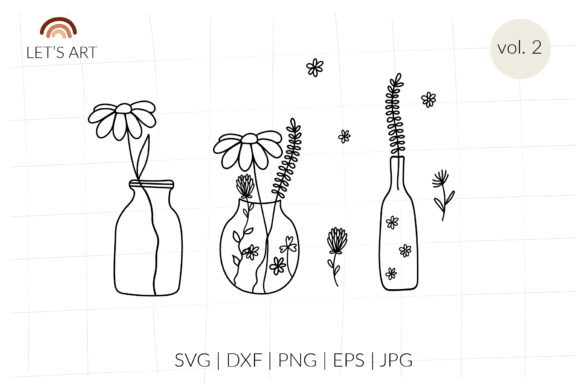
This design doesn’t shout; it whispers. The arrangement of three mason jars creates a balanced, almost therapeutic layout. The chamomile, sage, and wildflower illustrations have a gentle, sketched quality that feels inherently handmade. This isn’t a bold, graphic logo; it’s a scene. That mood is its biggest strength. It tells a story of natural wellness, calm kitchens, and thoughtful gifts. For embroidery, this means the final stitched piece will carry a soft, artisanal personality, which is exactly what many customers in the handmade and boutique space are looking for.
Where This Design Naturally Belongs
I picture this design on a linen apron, a cotton pillow cover for a sunroom, or a tea towel in a cozy kitchen. It’s ideal for projects where the product’s function aligns with the design’s theme—think aromatherapy, gardening, or rustic home decor. I recently considered it for a custom embroidered tote bag for a client who sells herbal teas. The design’s vibe matched her brand perfectly. The soft wildflowers and jars suggested her products’ natural origins without needing any text. For a baby item, like a nursery blanket, the gentle floral elements could work beautifully, offering a sweet, non-cartoonish botanical theme.
Performance in Real Embroidery Situations
The provided files—high-resolution JPG, PNG, and EPS—are a good starting point for creating a clean embroidery file. The 12" by 12" size at 300 DPI gives you room to scale. For most apparel and decor, you’ll likely be working with a much smaller hoop size. Here’s where practical judgment comes in.
On a sweatshirt or t-shirt, this design would work best as a medium-sized chest or sleeve accent. The three jars together have width; you wouldn’t want to cram it onto a tiny baby cap where the detail would get lost. On a tote bag, it’s a winner—the flat, stable surface lets all the floral details shine. As an embroidered patch, it could be stunning, especially if you use a satin stitch border around the jars to give it a polished, finished look for application on jackets or bags.
For your craft business or Etsy listings, this design adds value because it’s not a generic shape. It creates a recognizable, themed product. A kitchen towel with this embroidery feels like a complete, thoughtful item, not just a decorated towel. That boosts perceived value and helps with customer trust—they see a coherent, well-designed handmade product.
The Commercial and Digital Angle
For digital product sellers, the transparent PNG is a gift. It allows for clean printable mockups and digital previews without white backgrounds clashing with your shop’s theme. If you’re using this design asset to create embroidery files for sale, or for commercial embroidery projects for clients, always confirm the licensing terms before proceeding. The design’s versatility as a graphics file means it can also inspire applique elements—perhaps using fabric for the mason jars and embroidery for the delicate flowers.
Careful Application: Where to Test First
Every design has its tricky spots. With Mason Jar, Daisy, Aromatherapy, the detail level in the wildflowers and the jar outlines is the key consideration. On textured fabrics like some linens or sweaters, the finer lines could get lost or appear broken. On thin or stretchy fabric, a robust stabilizer is non-optional to prevent puckering, especially in the potentially denser fill stitch areas representing the jar contents.
Dark fabric presents a classic challenge. You’ll need to test thread color contrast thoroughly. A light design like this might require a lighter background fabric or very carefully chosen bright thread colors to maintain clarity. For curved surfaces like caps, the width of the three-jar layout might be problematic; a single jar might be a better adaptation.
Always, always stitch this out on scrap fabric first. Check the stitch density for your chosen size. Inspect the small details—the tiny daisy petals or sage leaves—to ensure they stitch out cleanly and don’t become a blur of thread. Compare how it looks on both light and dark backgrounds in a simple black-and-white mockup to understand its silhouette and balance.
Practical Designer Notes for a Smooth Project
- Match the thread colors to the natural, soft palette implied by the design—creams, sage greens, muted yellows.
- For larger items like pillow covers or blankets, you can maximize the full size, but remember larger areas require more thread and time.
- On products that need frequent washing, like kitchen towels or aprons, ensure your stitch settings are secure and consider a slightly denser fill for longevity.
- The design’s professional, cohesive look aids brand consistency if you’re a small shop using a natural theme across multiple products.
- Its giftability is high—it feels personal and thematic for holidays, weddings, or housewarming gifts.
Final Thoughts: A Design for Purposeful Projects
Mason Jar, Daisy, Aromatherapy isn’t a flashy all-purpose graphic. It’s a niche, mood-setting design that, when applied to the right embroidery project, elevates a simple item into something with a story. For embroidery designers and makers, it offers a clear path to products that resonate with a specific, growing audience interested in wellness, nature, and rustic charm. Your job is to pair it with the right fabric, the right product, and the right stitching preparation. When you do, the finished product will have that authentic, handmade appeal that turns a casual viewer into an engaged buyer.