Evaluating an Embroidery Design for Real Project Use
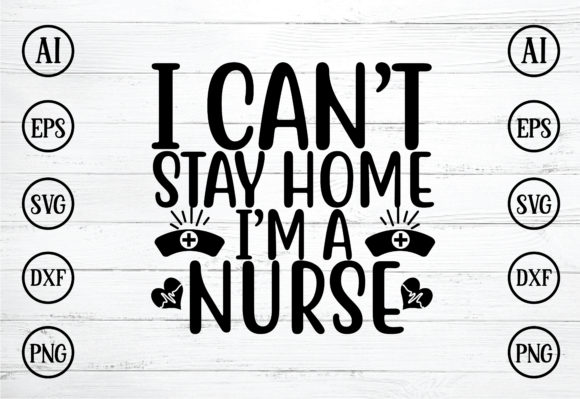
As a designer who stitches things for clients, for my shop, and for gifts, I approach every file with a practical eye. Today, I’m looking at the I Can’t Stay Home I’m a Nurse design, thinking about how it would translate from screen to stitches.
First Impression: A Statement of Quiet Pride
The phrase I Can’t Stay Home I’m a Nurse immediately sets a tone. It’s not loud or boastful; it’s a statement of identity and duty. For an embroidery design, this means the visual personality should support that sentiment—clear, confident, and readable. The layout likely focuses on the text as the central hero, possibly with supportive graphical elements. This isn’t a overly detailed, ornamental piece; it’s a message-driven design that belongs on items meant to be worn or used with a sense of purpose.
The Natural Project Fit: Where This Design Finds Its Home
In my mind, I’m already picturing this on a well-made canvas tote bag for a nurse heading to work, or stitched neatly onto the left chest of a premium sweatshirt. It feels perfect for custom apparel that serves as a personal or professional badge. Given its theme, it also shines on personalized gifts: a cozy blanket for a nursing student, a neat patch sewn onto a backpack, or even a decorative pillow cover for a home office. For small business merchandise, this design could anchor a line of healthcare appreciation products—think embroidered tea towels, aprons, or caps sold at craft fairs or in an Etsy shop catering to medical professionals and their families.
A Real-Life Scenario: Preparing a Boutique Tote Bag
Let’s walk through a real case. Imagine I’ve ordered a batch of high-quality, natural canvas tote bags for my shop. A client requests a custom gift for her sister, a nurse. The I Can’t Stay Home I’m a Nurse design is the perfect choice. My first consideration is scale. On a tote, the design needs to be sizable enough to be legible but not so large it dominates the bag’s texture. I’d likely test it in a medium hoop size. The fabric texture of canvas means I’ll need a good, sturdy stabilizer to prevent puckering, especially around any satin stitch lettering. The choice of thread color becomes crucial—a classic navy or burgundy against the natural canvas would look professional and timeless, enhancing the handmade presentation and perceived value.
Performance in Stitching: Where Clarity Matters Most
For any text-based design, stitching clarity is paramount. Small, intricate lettering can become lost or blurry if the stitch density is too high or the hoop size is too small. Before running this on a final product, I’d absolutely stitch it out on a scrap piece of the target fabric—whether it’s a cotton tee, a fleece sweatshirt, or a twill cap. This test reveals how clean the lines are and whether any decorative accents, if present, stitch out well without becoming overly dense. The design’s strength will be its message, so the embroidery file must execute that message with sharp, readable stitches.
On dark fabric, like a black polo shirt, you’ll need to think about thread contrast—a bright white or a silver gray might be needed for legibility. On stretchier fabrics like t-shirts or baby onesies (which could be a sweet gift for a nurse’s new baby), using the correct stabilizer is non-negotiable to prevent distortion. For items like curved caps, the design’s layout must be tested to ensure it fits the curved surface without lettering at the edges becoming compressed.
Projects That Demand Extra Care
Some applications require a more careful approach. If you’re considering very small hoop sizes for a delicate item like a handkerchief or a baby bib, you must check that the design’s detail level remains clear when minimized. Similarly, on items that will undergo frequent washing, like kitchen towels or everyday sweatshirts, a robust fill stitch for any graphical elements will hold up better over time than very fine details. The beauty of this design is its straightforward premise, which generally avoids overly dense stitch areas that can wear down fabric.
The Impact on Your Craft Business and Customer Trust
Using a design like this effectively goes beyond the stitch-out. It affects customer trust and engagement. When a nurse receives a tote bag with this embroidery, the quality of the stitching directly communicates your shop’s care and professionalism. A clean, legible result feels respectful of the sentiment itself. For an Etsy seller or craft business, offering this on a range of products—from aprons to pillow covers—can build a cohesive line that appeals to a specific, appreciative audience. It enhances brand consistency if your shop focuses on profession-based or statement designs.
The giftability is high. This isn’t a generic graphic; it’s a recognition of someone’s role. In a printable mockup for your digital shop, or as a finished product photo, it tells a story immediately, which can drive buyer engagement. For commercial embroidery projects, such as stitching a batch of patches for a hospital gift shop, the design’s straightforward nature allows for efficient production while still delivering a personalized feel.
Practical Designer Notes Before You Hoop the Fabric
My routine before committing any design to a final project involves a few key steps. For I Can’t Stay Home I’m a Nurse, I would advise:
- Always test the design on scrap fabric first. Use the same material and stabilizer you plan for the final item.
- Check thread color contrast for both light and dark fabric backgrounds. Sometimes a design looks perfect in a software preview but needs a thread adjustment on real fabric.
- Review stitch density in your embroidery machine software. Ensure lettering isn’t so dense it stiffens the fabric, especially for wearable apparel.
- Inspect small details in the stitch-out. Are the connections between letters clean? Does any graphical element have jumps or awkward stitch directions?
- Consider creating simple black and white mockups to see how the design feels stripped of color—this helps judge its core shape and layout.
- Crucially, confirm the licensing for this digital embroidery file. Since it’s described as an SVG cutting file, understand the terms for using it in personal and commercial projects. Before selling finished items or digital products derived from it, ensure your use is permitted.
A Final Thought on Belonging
The I Can’t Stay Home I’m a Nurse design, by its very nature, finds its true value when it’s stitched onto something that will be seen and used. It’s not just a graphic; it’s an application. As a designer, my job is to translate that digital file into a tangible product that honors the message—with clean stitches, on appropriate materials, and with a finish that makes both the giver and the receiver proud. It’s a design that reminds us that embroidery, at its best, can be about identity and appreciation, one stitch at a time.