A Designer's Take: Using the "Nusing Make Me Happy" Design
The First Impression: A Charming, Lighthearted Statement
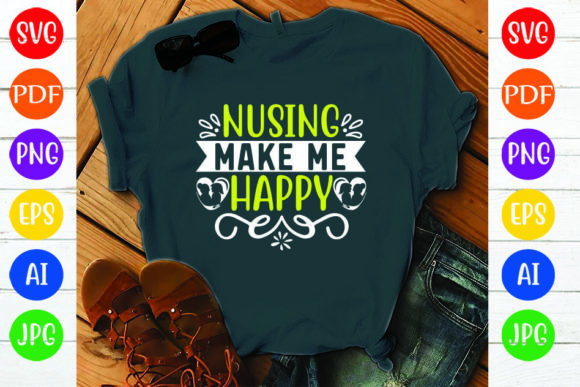
When I look at "Nusing Make Me Happy," the immediate vibe is one of cheerful appreciation. The title itself, with its playful phrasing, suggests a lighthearted, personal sentiment rather than a formal statement. This isn't a generic medical logo; it feels like a bespoke message of gratitude or a personal motto. For an embroidery designer, that’s a valuable starting point. The mood it creates is friendly and warm, perfect for projects meant to convey a personal touch or a heartfelt thank you. The theme is clear—it celebrates nursing—but the execution is likely more illustrative or typographic, given its categorization as a graphics file. This means its visual personality hinges on the shapes, lettering style, and layout provided. My first thought is that this design naturally belongs on gifts, personalized apparel, and items for the home, where that warmth can be fully expressed through thread.
Where This Design Thrives in Real Projects
Imagine you’re preparing a custom embroidered tote bag for a nurse finishing a tough rotation, or a cozy sweatshirt for a nursing student. "Nusing Make Me Happy" would be a perfect focal point. Its charm translates well into handmade products meant as personalized gifts. I’d also consider it for baby embroidery on a blanket for a neonatal nurse, or as a delicate detail on a pillow cover in a healthcare worker’s lounge. For small business merchandise, an Etsy seller could beautifully apply this to a series of aprons or kitchen towels for a boutique focusing on healthcare professionals. The design’s appeal lies in its specific sentiment, making it highly giftable and likely to resonate deeply with the right customer.
In commercial embroidery projects, such as creating branded items for a nursing team or a clinic’s thank-you gifts, this design adds a layer of professionalism that’s also human and approachable. It would work well on caps or as an embroidered patch for a bag. The key to its success in these real-life embroidery situations will be stitching clarity. A clean satin stitch for lettering or a smooth fill stitch for any graphical elements will make the message pop and enhance the product’s perceived value.
Careful Application: Scenarios That Require Attention
Not every project is an ideal canvas. For "Nusing Make Me Happy," I would proceed cautiously on very small items. If the design has intricate details or tiny lettering, attempting it on a small hoop size could lead to loss of definition. Similarly, textured fabrics like some towels or stretchy fabric like certain t-shirts might distort the message if not stabilized properly. Dark fabric backgrounds require careful thread color selection to maintain contrast and visibility.
Embroidering on curved surfaces, like the front of a cap, demands a layout that can adapt without compromising the design’s integrity. Also, consider the end use. For items needing frequent washing, like apparel, a dense stitch area might feel bulky or be less durable over time. The goal is to preserve that lighthearted mood through clean, lasting stitches, so choosing the right product substrate is crucial.
How This Design Impacts Your Craft Business
Using a design like this effectively directly affects customer trust and buyer engagement. A well-executed embroidery job where the sentiment is clear and the stitches are neat presents your handmade presentation as skilled and thoughtful. It reinforces brand consistency for a seller focusing on healthcare-themed items. For a digital product seller, offering a design that is clearly applicable to real projects—like this one in the Crafts and Graphics space—makes your listings more attractive because buyers can visualize the finished product. It’s not just a file; it’s a potential embroidery project with inherent emotional value.
Practical Notes From the Embroidery Hoop
Before I’d stitch this into a final product, my process would involve several checks. First, I always test the design on scrap fabric first. This reveals how the embroidery file translates physically, allowing me to review stitch density and inspect any small details. I’d check thread color contrast by testing it in both light and dark fabric mockups, even simple black and white digital previews, to ensure readability.
Confirming the physical hoop size needed is essential for planning projects. Using proper stabilizer for the chosen fabric texture is a non-negotiable step for clarity. Furthermore, as this is a digital embroidery file, I must check whether the design’s licensing permits its use for both personal and commercial projects. This is a critical step before selling any finished product or incorporating it into small shop products. The product description mentions it’s hand-picked for quality, but the specifics on formats and licenses are not provided here. Always confirm licensing before selling finished items.
In essence, "Nusing Make Me Happy" is more than a graphic; it’s a potential centerpiece for meaningful projects. Its value comes from the emotion it carries and the craftsmanship you apply. By thoughtfully pairing it with the right substrate and executing it with care, you create an item that’s not just crafted, but connected.