Beyond the SVG: A Designer's Take on an Oncology Nurse Embroidery File
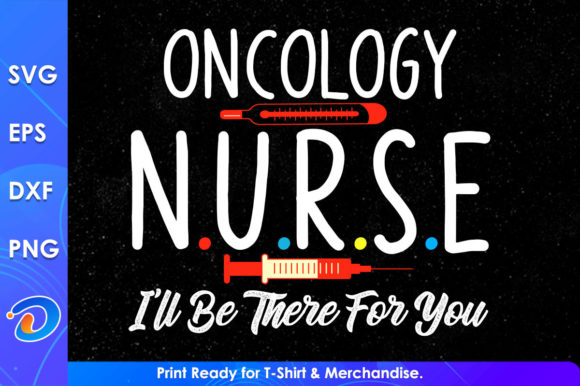
When a digital file like the Oncology Nurse SVG lands in my workspace, my first question isn't about its technical specs. It's about its soul. How will it translate from a screen into stitches, and what will that transformation feel like on a finished product? This particular design, with its central message "I'll Be There For You," immediately strikes a chord of quiet strength and profound empathy. It’s not a loud, graphic shout; it’s a heartfelt declaration. The layout and theme suggest a design meant for a respectful, personal tribute—a piece that honors a specific role with a universal sentiment.
The Emotional Fit: Where This Design Naturally Belongs
From a project perspective, this design feels destined for meaningful, gift-driven work. Imagine a custom embroidered sweatshirt for a nurse finishing a difficult rotation, or a tote bag for a caregiver who carries both supplies and emotional weight. It has the gravitas for a framed patch in a clinic and the tenderness for a baby blanket meant for a child whose parent is in the field. Its visual personality is clean and direct, avoiding overly decorative flourishes that might dilute its sincere message. For small business owners and Etsy sellers, this translates into products that resonate on an emotional level—holiday gifts, personalized thank-you presents, or boutique merchandise for healthcare communities.
Real-World Embroidery: Thinking Through the Stitch
In practical embroidery situations, a design’s simplicity is often its greatest asset. I envision this Oncology Nurse SVG on a navy blue sweatshirt, with the text in a crisp white satin stitch. On a tote bag, it could become a durable, everyday reminder using a robust fill stitch. For a softer approach, like a pillow cover or a kitchen towel for a nurse’s home, a running stitch outline might offer a gentler, more textured feel. The key will be maintaining clarity. In a printable mockup or digital product preview, it looks clean, but in real thread, the legibility of "I'll Be There For You" is paramount. Stitch density needs to be balanced—too dense on a thin t-shirt might cause puckering; too light on a cap might look frail.
Caution Zones: Where to Adjust Your Approach
While the design appears straightforward, embroidery always introduces variables. On small hoop sizes or curved surfaces like caps, the text elements need careful attention. Tiny lettering can blur if the stitch path isn’t optimized. I would be cautious on heavily textured fabrics, like some blankets, where fine details might get lost, or on dark fabrics if the chosen thread colors don’t offer strong enough contrast. For products destined for frequent washing, like apparel or aprons, a secure, well-digitized stitch foundation is crucial for longevity—something you can only verify by testing the actual embroidery file.
Layered garments with stretch also demand a thoughtful setup with proper stabilizer. The design's impact relies on its clean presentation, so any distortion from fabric movement would undermine its professional feel. For crafters and apparel decorators, the advice here is classic but vital: test first on scrap fabric of the same type. Check how it looks in both black and white mockups to anticipate contrast issues.
From Stitches to Trust: Building Product Value
How does this machine embroidery design affect the final product's appeal and value? When executed well, it elevates a simple item into a narrative piece. A handmade product featuring this design speaks of consideration and quality. For creative entrepreneurs, this builds customer trust—it shows you understand the sentiment behind the craft. It enhances giftability tremendously, as it feels uniquely personal. In a commercial embroidery project or for a small shop product, it adds a layer of professionalism and recognition that generic graphics lack. It engages buyers because it connects to a real community and a real story.
The Designer's Practical Notes Before You Hoop
My final thoughts always revolve around preparation. With this Oncology Nurse SVG Cricut file, intended for cutting machines and likely adaptable for embroidery through digitization, the source artwork is key. Its clarity will directly influence your embroidery file's stitch clarity. Before committing to a client project or a batch of craft fair products, inspect the small details in the design. Are the lines smooth and closed for clean stitch paths?
Most importantly, confirm the licensing. The product description notes it's a digital file for cutting machines. If you plan to use it as a base for creating embroidery designs to sell as finished items or even as your own digital embroidery files, you must verify that the license permits this commercial use. Never assume. This protects your craft business and ensures your hard work on that embroidered patch or baby embroidery is built on a solid foundation.
In the end, a file like this is more than a graphic; it's a potential catalyst for a deeply resonant finished product. It asks the maker to bring not just technical skill, but emotional understanding to the hoop. When paired with thoughtful fabric choice, precise thread colors, and a stable stitch, it can become an emblem of appreciation—a small, stitched testament to care, meant to be worn, carried, or displayed with pride.