Why 'My Heart Belongs to a Nurse' Embroidery Wins Customers
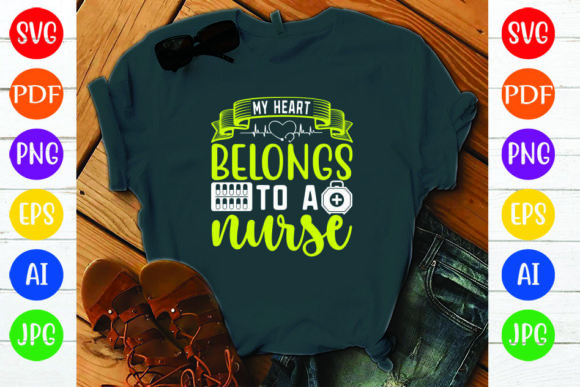
When a design like 'My Heart Belongs to a Nurse' lands in my digital library, I don't just look at it as a graphic. I think about the fabric it will live on, the stitches that will give it texture, and the person who will ultimately receive it. This isn't just a Crafts category Graphics product; it's an idea waiting to be materialized by needle and thread. My first impression is that this is a clear, heartfelt message with a classic, affectionate mood. It’s not overly whimsical or clinical; it strikes that perfect balance of professional appreciation and personal touch, making it immediately suitable for a wide range of embroidery projects.
The Kind of Project This Design Naturally Calls For
This design feels destined for personalized gifts and small business merchandise. I envision it embroidered onto a soft, premium sweatshirt for a nurse finishing a tough shift, or beautifully stitched onto a canvas tote bag a nursing student uses to carry their books. It has that gift-ready quality. The layout suggests a central, focal-point application—it’s not a tiny accent. It would shine on the chest of a hoodie, the front panel of an apron for a home healthcare worker, or as a statement piece on a pillow cover for a nurse’s lounge or home office. For crafters and Etsy sellers, this is a design that tells a story, which is exactly what buyers looking for a handmade product connect with.
Where Visual Appeal Translates to Stitching Clarity
In real-life embroidery, the success of a design like this hinges on clarity. The phrase ‘My Heart Belongs to a Nurse’ likely needs clean, readable lettering. In embroidery, that means paying close attention to stitch density for any fill stitch areas and ensuring satin stitches for text are smooth and not overly dense, which can cause puckering. The visual personality is straightforward and warm, which translates well into thread. On a dark fabric like a navy blue cap, using bright white or red thread would create fantastic contrast and recognition. On a baby blanket or light-colored kitchen towel for a nurse mom, softer pastel threads would enhance the affectionate mood. The design’s strength is in its emotional resonance, which embroidery amplifies through tangible texture.
Practical Performance on Real Products
Let’s walk through a real scenario. Say I’m an apparel decorator preparing a custom embroidered sweatshirt as a holiday gift for a nursing team. I’d consider the fabric texture—a beefy, flat knit is ideal. I’d use a sturdy stabilizer to support the stitch count and prevent distortion. The design’s size relative to the hoop size is critical; it needs to be hooped securely to keep everything aligned. For a product like this, the finished embroidery directly affects perceived value and customer trust. A clean, professional stitch-out on a quality garment looks like a cared-for, premium handmade product, not a generic transfer. It boosts brand consistency for a small shop and makes the item truly giftable.
For commercial embroidery or craft business items, such as creating a series of embroidered patches for a local clinic, this design would need to be tested for durability. Patches undergo handling and possible frequent washing if applied to apparel. Testing the embroidery file on scrap fabric first is non-negotiable. I’d check the small details, especially if the design includes any decorative accents around the text, to ensure they don’t become a tangled mess of threads. They should be crisp and distinct.
Caution Zones: Where to Proceed Carefully
Not every project is a perfect fit. ‘My Heart Belongs to a Nurse’ might require careful execution on:
- Small hoop sizes: If the design is large, compressing it into a small area on a baby item or cap front could compromise detail.
- Textured or stretchy fabrics: Thin, stretchy fabrics like some t-shirts can struggle with dense stitch areas, requiring additional stabilizer or a possible redesign to a lighter stitch count.
- Dark fabric backgrounds: While contrast is good, very dark fabrics require perfect tension and thread coverage to prevent the base fabric from showing through light-colored stitches.
- Curved surfaces: On a cap, the curvature can distort flat, linear text layouts; proper hooping techniques are essential.
- Products needing frequent laundering: For kitchen towels or everyday apparel, a robust stitch construction with good thread anchoring is key for longevity.
These aren’t faults of the design, but rather the practical realities every embroidery designer must manage to ensure a flawless finished product.
Designer Notes for a Successful Stitch-Out
Before loading this machine embroidery design for a real client project or your own Etsy listing, here’s my checklist:
- Always test on scrap fabric identical to your final product fabric. This reveals any tension or density issues immediately.
- Review thread color contrast. Create simple black and white mockups or compare light and dark fabric backgrounds digitally to plan your palette.
- Confirm the physical hoop size you’ll need. The design dimensions must comfortably fit within your machine’s capabilities.
- Inspect the small details in the provided embroidery file. Zoom in on any corners or tiny lettering to ensure they are stitchable.
- Use the proper stabilizer for your fabric type. This is the unsung hero of crisp embroidery.
- Crucially, confirm licensing. Before selling finished items or digital product previews, verify whether the design is cleared for commercial use. This protects your craft business and builds professional integrity.
Embroidery transforms a digital graphic into a tactile experience. ‘My Heart Belongs to a Nurse’ has the core emotional message that makes that transformation worthwhile. When stitched with care onto thoughtful products—from personalized gifts to boutique merchandise—it speaks directly to a cherished profession, creating an item that feels both professional and deeply personal. That’s the kind of design that not only works in the hoop but also resonates in the hands of your customer, making it a valuable asset for any creative entrepreneur or maker.