The Nurse Design: A Review for Embroidery Makers
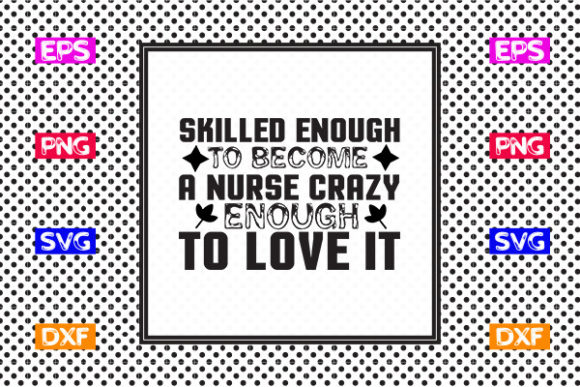
When a new embroidery design lands in my library, my first question is always: how will it look in thread? I'm not just looking at the screen; I'm imagining it stitched onto a sweatshirt, a tote bag, or a baby blanket. Today, I'm considering the Nurse SVG design, 'Skilled Enough to Become a Nurse Crazy Enough to Love It'. This isn't a generic product description. It’s a practical review from a designer's bench, thinking through real projects for clients, my small shop, and personalized gifts.
First Impression: Personality and Practical Placement
The design immediately strikes a balance between heartfelt recognition and a touch of humor. The phrase 'Skilled enough to become a nurse crazy enough to love it' has a warm, human feel—it’s appreciative and relatable. Visually, as a graphics file intended for conversion to an embroidery design, the layout promises clean lettering and a central thematic focus. The mood it creates is one of professional pride paired with personal passion, which is a powerful combination for a handmade product.
In my mind, I’m already placing it on a custom embroidered tote bag for a nurse finishing her studies, or as a subtle detail on the sleeve of a cozy sweatshirt for a long-time RN. It feels destined for personalization. It wouldn’t feel out of place as a gift for a nurse’s birthday, a retirement present, or even as part of a boutique’s line of profession-themed apparel. The design’s personality suggests it belongs on items that are both functional and meaningful—aprons, pillow covers for a break room, or even a well-made patch on a jacket.
Performance in Real Embroidery Projects
Let’s walk through a real scenario. Imagine I’m preparing an order for a client who wants a set of embroidered kitchen towels as a holiday gift for her sister, a nurse. I’ve selected a high-quality linen towel. Now, I’m evaluating this nurse design for the job.
The clean graphics files—SVG, EPS, PNG, DXF—mean I have flexibility for digitizing into a machine embroidery design. This is crucial. A design with unclear edges or overly complex tiny details can become a muddled stitch-out. This one appears straightforward, which is excellent for clarity on fabric. On a tea towel, the sentiment would be readable and stylish, adding value through personalization.
For small business merchandise, like items for an Etsy shop or craft fair table, this design translates well. It could be the centerpiece on a simple t-shirt, elevating it from a basic tee to a niche, conversation-starting product. On a baby item, like a onesie for a nurse’s new baby, it becomes a sweet, profession-themed keepsake. As an embroidered patch, it offers versatility—it could be applied to caps, bags, or scrubs. The design’s appeal boosts buyer engagement because it speaks directly to a respected community.
Where This Design Should Be Used With Care
Every design has its ideal applications and its tricky ones. For this nurse embroidery file, I’d pay close attention to scale and fabric.
- Small Hoop Sizes: If you plan to stitch a very small version, the lettering details must be scrutinized. Tiny lettering can become dense or lose clarity. Always test on scrap fabric first.
- Textured or Stretchy Fabrics: Fabrics like certain sweaters or thin, stretchy tees require careful stabilizer choice to keep the text sharp, especially with any potential satin stitch borders or fill stitch elements.
- Dark Fabric Backgrounds: The contrast is key. You’ll need to select thread colors that pop against dark navy or black scrubs, for instance. I always recommend checking the design in a black and white mockup to judge contrast.
- Curved Surfaces: Embroidering this on a cap requires consideration of the design’s shape and how it will conform to the curve without distortion.
- Products for Frequent Washing: On items like everyday aprons or uniforms, stitch density and secure stitching become important for durability.
The visual appeal depends entirely on this careful execution. A poorly stitched version on an unsuitable fabric hurts customer trust and the handmade presentation. Done well, it enhances product value and feels professionally made.
Embroidery Designer Notes for a Successful Project
Before I run this design on any final product, my process involves a few non-negotiable steps. Here’s what I’d do with this nurse design.
- Test, Always Test: Stitch it out on a scrap piece of your target fabric. This reveals everything: actual stitch density, how small details like the word 'crazy' render, and whether any corners are too sharp for clean stitches.
- Check Color Contrast: Plan your thread palette for both light and dark fabric backgrounds. A crisp white or a bright color might be needed for maximum readability.
- Confirm Your Hoop Size: Based on your test, decide the ideal finished size for your project—a large statement on a tote or a smaller accent on a cap.
- Use Proper Stabilizer: Match the stabilizer to your fabric texture. This is the backbone of a clean stitch-out.
- Review Licensing for Your Use: The product listing mentions multiple file formats for graphics. If you are selling the finished embroidered items or using the design in commercial embroidery projects, you must confirm the licensing terms are suitable for commercial use. Never assume.
- Consider the Final Product’s Life: Is it a decorative pillow cover or a heavily used apron? This influences your thread and stabilizer choices for longevity.
These steps ensure the design transitions from a digital asset to a beautiful, durable finished product. They protect your brand consistency and the giftability of the item.
The Bottom Line for Makers and Sellers
The Nurse SVG design, 'Skilled Enough to Become a Nurse Crazy Enough to Love It', is a strong contender for niche, personalized embroidery. It has a natural audience and a message that resonates. For embroidery designers, small business owners, and hobbyists, it represents an opportunity to create products with genuine meaning.
Its success hinges on your skill as a maker—choosing the right project, fabric, and execution. It’s not a design for careless, one-size-fits-all application. But when matched thoughtfully to a custom apparel item, a heartfelt gift, or a line of small shop merchandise, it can stitch up into something special. It reinforces that embroidery, at its best, connects a skillfully made object with a human story. And for the nurse who receives it, or the customer who buys it, that connection is the real value.