Reviewing Nurse St. Patrick’s Day for Real Embroidery Projects
First Impressions: The Mood and Makeup of the Design
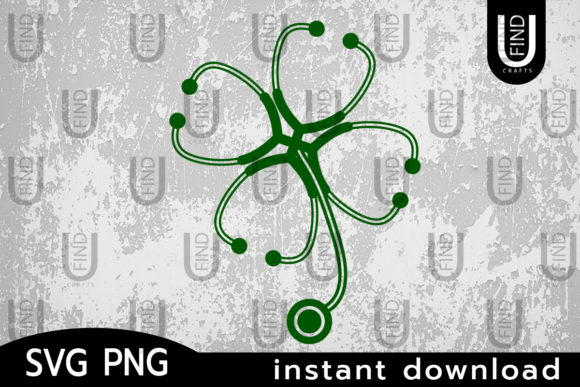
When I first look at the Nurse St. Patrick’s Day design, I’m struck by its combination of celebration and professionalism. It’s a clever mashup, bringing a respected profession into a festive, friendly context. The core elements—the stethoscope and shamrock—create a visual personality that’s joyful but grounded. This isn’t just a generic holiday graphic; it’s an identity piece. For an embroidery designer thinking about real projects, that’s a powerful starting point. The layout feels balanced, with the details likely designed to translate well into stitches. It naturally belongs to projects meant for gifts, recognition, or lighthearted professional pride.
Where This Design Finds Its Perfect Home
In my mind, I immediately picture this on a custom embroidered sweatshirt for a nurse’s team, or as a subtle, festive touch on a tote bag for a healthcare worker. It would shine on a kitchen towel or apron as a personalized gift from a colleague. For a small shop owner or Etsy seller, this design could anchor a whole line of holiday-themed merchandise for the medical community: embroidered caps, pillow covers for a break room, or patches for work jackets. The theme is specific enough to feel personal, yet broad enough to appeal to a wide audience within the crafts and graphics space. Imagine a boutique using it for limited-edition St. Patrick’s Day tees, or a creative entrepreneur offering it as part of a custom baby blanket for a nurse’s newborn.
The Practical Stitch: Performance in Real Embroidery Situations
Let’s move from imagination to the machine. How does Nurse St. Patrick’s Day perform as an embroidery file? The key will be its detail level. The stethoscope tubing and shamrock leaves will require clean satin stitches or well-defined fill stitches to maintain clarity. On a medium-to-large scale—like a sweatshirt back or tote bag panel—I expect it to stitch out beautifully, creating a valuable handmade product. For smaller applications, like on a cap or a baby item, you’ll need to be cautious. Tiny lettering (if present) and intricate corners could become dense stitch areas, potentially affecting the fabric’s hand feel, especially on stretchy materials.
Visual appeal is high; this design tells a story, which increases perceived product value and customer trust. A well-embroidered version on a high-quality apron feels professional and giftable. For commercial embroidery projects, like a batch of patches for a hospital event, it offers strong recognition and engagement. However, on dark fabric backgrounds, thread color contrast is paramount—you’ll need to plan your palette carefully to keep the shamrock vibrant and the stethoscope details distinct.
Navigating the Tricky Surfaces and Textures
Some applications demand extra forethought. Embroidering this onto a curved surface like a cap requires checking the design’s orientation and ensuring the hoop size can accommodate the full layout without distortion. Layered garments, like a fleece-lined hoodie, need the right stabilizer to prevent puckering. For products destined for frequent washing, such as a nurse’s embroidered scrub cap or a kitchen towel, stitch density is a critical check. Too dense, and the design may stiffen the fabric; too light, and it may wear poorly. Always test on scrap fabric of the same texture first.
The Designer’s Notebook: Essential Pre-Stitch Checks
Before I commit this to a client project or my own small shop product, here’s my practical checklist. First, I’ll run a test stitch on a scrap of my target material—maybe a piece of canvas for a tote bag or cotton twill for an apron. This reveals everything: how small details like the shamrock stem translate, whether the satin stitch boundaries are clean, and the overall stitch count impact on the fabric.
Next, I evaluate it in black and white mockups, and compare how it looks on both light and dark fabric backgrounds. This isn’t just about aesthetics; it’s about planning thread consumption and potential underlay stitches. I’ll confirm the hoop size needed; a design with this level of composition likely needs a moderate to large hoop for best results.
Most importantly, I’ll verify the licensing terms of this digital download. As a designer selling finished items or using it in commercial embroidery, I need to know if my use is covered. The product description notes it’s a digital download for machine embroidery design, but the specifics are crucial for business use.
Building Customer Connection Through a Stitched Design
Ultimately, the success of Nurse St. Patrick’s Day in any embroidery project hinges on its connection to the end-user. It’s a design that acknowledges a person’s profession and their participation in a holiday—a simple, powerful combination. For an apparel decorator, that means the embroidered finished product feels personal and appreciated. For a digital product seller, it means the design assets you create with it—like printable mockups—will resonate clearly with your audience. It enhances brand consistency for a craft business focused on healthcare or holiday themes.
My final, friendly advice: this design has the potential to be a star in your portfolio. Approach it with a confident but realistic eye. Manage the details, respect the fabric, and always stitch with the end customer—the nurse, the colleague, the gift recipient—in mind. When done thoughtfully, it transforms from a digital graphics file into a cherished, tangible piece of handmade celebration.