My Favorite Nurse Calls Me Sister: A Design Review
The Heartwarming First Impression
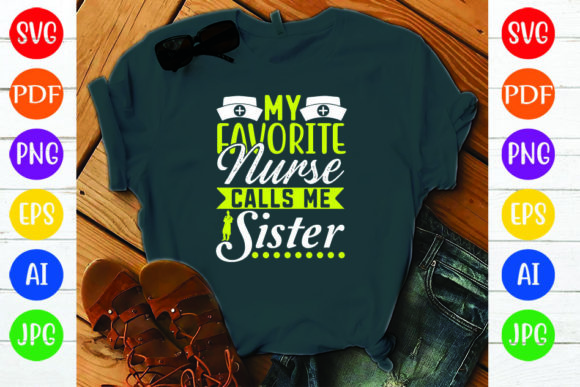
When you open the file for My Favorite Nurse Calls Me Sister, you immediately sense its personal, emotional core. This isn't a generic medical logo; it’s a statement of relationship and gratitude. The design feels like a tribute, something meant for a cherished gift rather than a mass-produced item. The layout and typography likely convey a sense of warmth and connection, which is a fantastic starting point for any craft project aimed at expressing appreciation.
Where This Design Belongs: Real Project Scenarios
As a designer who frequently works with client requests, I picture this embroidery file shining in specific, meaningful contexts. Imagine a custom-embroidered tote bag for a nurse finishing her residency, a cozy sweatshirt for a sister who’s also a frontline caregiver, or a delicate pillow cover for a nurse’s lounge. The sentiment makes it perfect for personalized gifts—think holiday presents, wedding gifts for a nurse bride, or boutique merchandise for a small shop catering to medical professionals.
The theme naturally lends itself to projects celebrating nurses. It would work beautifully on aprons for a nurse who loves to bake, a decorative tea towel in a healthcare-themed kitchen, or as a framed hoop art piece for a nursery decor item if the nurse is also a new mother. For craft businesses and Etsy sellers, this design can elevate a simple product into a storytelling piece, adding value through its emotional resonance.
Considering Commercial Use and Craft Business Applications
If you’re an apparel decorator or creative entrepreneur, My Favorite Nurse Calls Me Sister represents a niche but heartfelt product line. It could be a strong addition to a collection of healthcare appreciation items. Using it on high-quality sweatshirts or tote bags for a small shop can enhance buyer engagement, as customers often seek unique ways to honor their loved ones. The design’s clarity and positive message support professionalism and customer trust in a handmade presentation.
Practical Embroidery Performance: What to Watch For
Moving beyond the sentiment, we must consider how this graphics file translates into physical stitching. The success of any embroidery project hinges on practical execution.
Optimizing for Different Fabrics and Products
This design will perform best on stable, medium-weight fabrics. A cotton tote bag, a fleece sweatshirt, or a canvas apron are ideal canvases. Be cautious with stretchy fabrics like thin t-shirts or textured fabrics like certain knits, as small lettering and details may distort. For curved surfaces like caps, you’ll need to carefully assess the design’s layout to ensure it fits the available hoop size without compromising readability.
Dark fabric backgrounds require thoughtful thread color selection for contrast. Always test the design on scrap fabric first. This step is crucial to review stitch density, check for any overly dense areas that could cause puckering, and inspect small details—tiny lettering in “Sister” or intricate decorative accents need to stitch out cleanly. Using proper stabilizer is non-negotiable to maintain stitching clarity, especially on layered garments or items that will undergo frequent washing.
Navigating Potential Challenges
Pay close attention to the scale. If the design contains very fine details, avoid very small hoop sizes that might compress those elements. Running stitches for outlines and satin stitches for fills need to be evaluated in your test run. For commercial embroidery projects where consistency is key, ensuring the design works reliably across multiple items is paramount. I also advise checking it in black and white mockups to understand its form without color, and comparing how it looks on both light and dark backgrounds before committing to a production run.
Turning a Digital File into a Valuable Finished Product
The journey from a digital embroidery file to a sellable handmade product involves strategic thinking. My Favorite Nurse Calls Me Sister has high giftability and recognition value. Its visual appeal, when stitched with care using well-chosen thread colors, directly impacts the perceived product value. For a craft business owner, offering this on a premium item, like a high-quality embroidered patch or a soft baby blanket for a nurse’s child, can strengthen brand consistency if your shop focuses on heartfelt, personalized themes.
Before selling any finished items or digital products based on this design, confirm the licensing terms. The product description mentions being hand-picked for quality, but as a reviewer, I must stress: always verify the license for commercial use yourself. This ensures you can confidently create products for your Etsy listings, craft fair inventory, or boutique branding without legal concerns.
Final Designer Notes for a Successful Project
To wrap up, here’s a quick checklist I follow before using any new design like this in real work:
- Run a test on scrap fabric identical to your final project material.
- Evaluate thread color contrast for your chosen fabric background.
- Confirm the physical hoop size needed for your desired product scale.
- Inspect the stitched sample for clarity of all small details.
- Use appropriate stabilizer for the fabric type to preserve stitch integrity.
- Clearly understand the license to know if it covers personal and commercial projects.
Approaching My Favorite Nurse Calls Me Sister with this practical mindset transforms it from a simple graphics file into a reliable, emotionally powerful asset for your next embroidery project, whether it’s a one-off gift or a new line for your small business.