A Review of the Nurse Coffee SVG Embroidery Design
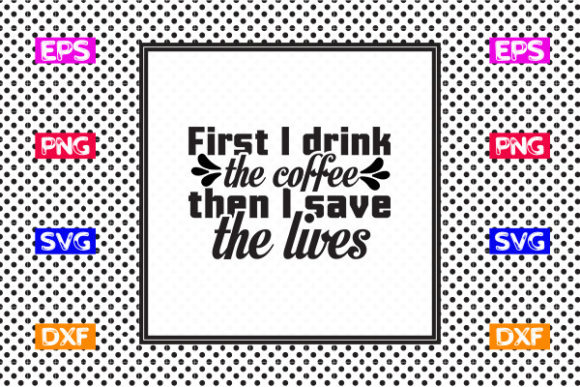
As someone who stitches both for clients and for my own small shop, I see hundreds of designs promising to be perfect. The reality is often different once the needle starts moving. Today, I'm looking at the Nurse SVG Design, First I Drink the Coffee Then I Save the Lives from a purely practical standpoint: how does it hold up when you actually want to make something with it?
The Immediate Appeal and Practical Personality
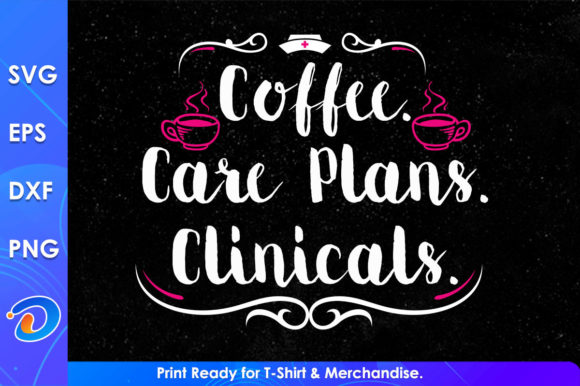
First impressions matter, both for you as the maker and for your eventual customer. This design has a clear, friendly personality. It's not a stern medical logo; it's a warm, relatable statement. The layout—the coffee cup motif integrated with the text—creates a balanced, cohesive shape. This is crucial for embroidery, where a design needs to feel like a single, wearable image, not a cluttered collection of elements. The detail level appears thoughtfully considered; it looks detailed enough to be interesting but not so dense that it becomes a stitching nightmare on common fabrics like cotton or fleece.
This isn't a design I'd use for a formal uniform patch. Its natural home is in personalized gifts, custom apparel for nurses themselves, or merchandise for a healthcare-themed craft business. Think of a well-loved nurse friend receiving an embroidered tote bag with this on it—it feels personal, humorous, and affirming. That's the mood it creates.
Thinking Through a Real Project: The Embroidered Sweatshirt
Let's walk through a typical scenario. Imagine you're preparing a custom embroidered sweatshirt as a holiday gift for a nursing team. You've chosen a soft, mid-weight fleece fabric. How does this design perform?
The clear, bold shapes of the coffee cup and the text are a major advantage. On a fabric like fleece, designs with overly thin lines or tiny serifs can get lost or blur. This one, at least from the preview, uses strong, defined areas that should translate well into solid satin stitch borders and clean fill stitch areas for the cup. The phrase is broken into two lines, which helps keep the overall hoop size more manageable and prevents the lettering from becoming a long, single-line stretch that can distort on a curved surface like a sleeve.
For a sweatshirt, you'd likely want a medium to large placement, perhaps on the left chest or across the back. The design's composition would work well in both spots. I'd be confident that the finished embroidered patch would have strong visual appeal and stitching clarity, adding tangible value to the handmade product. It feels professional but approachable, which builds customer trust if you're selling it.
Where This Design Needs Extra Care
No design is universally perfect. Here's where I'd proceed with caution. The small, intricate details—like the possible steam swirls from the coffee cup or the interior details of the cup itself—require attention. On very textured fabrics or stretchy fabric like thin t-shirts, those details might not stitch out with perfect clarity unless you use the right stabilizer and perhaps reduce the speed of your machine. Similarly, embroidering this on a curved surface like a cap presents a challenge; the text layout might need careful hooping to avoid distortion.
If you plan to use it on dark fabric, the visual impact relies entirely on your thread color contrast. A light cream or white thread for the main elements would be essential. Also, consider the products that need frequent washing, like kitchen towels or aprons. The stitch density needs to be secure enough to withstand that wear. Without knowing the exact stitch count from the file, my advice is to always test it on scrap fabric first, simulating the same wash conditions.
Beyond the Sweatshirt: Versatility for Your Business
The true test of a good embroidery file is its versatility across your product line. This Nurse Coffee design lends itself beautifully to more than just apparel.
- Tote bag design: A large, centered embroidery on a canvas tote would make a standout product for an Etsy seller or craft fair.
- Baby embroidery or nursery decor: Stitched on a burp cloth or a small pillow for a nurse-mom? It becomes a deeply personal gift.
- Pillow covers or tea towels: As a decorative accent in a home, it’s a fun, recognizable statement.
- Holiday embroidery gifts: Framed as a small hoop art or on an apron, it’s a unique present for healthcare workers.
- Digital product previews and printable mockups: If you're a digital embroidery file seller yourself, this design has a clear theme that makes for attractive listing images.
Each application affects the perception of your brand. Using a design with this cohesive personality across different products—say, tote bags and caps in your small shop—can enhance brand consistency. It feels intentional.
Critical Designer Notes Before You Stitch
Before you load this file and start your embroidery project, here’s my practiced checklist. These steps separate a frustrating waste of time and materials from a successful finished product.
- Test on scrap fabric first. Use the same material and stabilizer you plan for the final project. This reveals how the small details stitch out and checks the overall stitch density.
- Check thread color contrast. Run a simple black and white mockup in your software. Does the design hold its shape without color? This is vital for understanding its form.
- Review the design on both light and dark backgrounds digitally. Does it require major color changes to work on a dark garment?
- Confirm your hoop size. The design’s width and height will determine your minimum hoop requirement. Don’t force a large design into a tiny hoop.
- Inspect the small details in your software viewer. Zoom in. Are there any overly tight corners or single-stitch lines that might be problematic?
- Use proper stabilizer. Match it to your fabric. This is non-negotiable for achieving clean results, especially with any text.
- Confirm licensing before selling. The product listing mentions multiple file formats (EPS, SVG, PNG, DXF) which is excellent for flexibility. However, you must verify if your use—selling physical embroidered items or reselling the digital file itself—is covered under the license provided. Never assume.
Approaching the Nurse SVG Design, First I Drink the Coffee Then I Save the Lives with this mindset turns it from a mere graphic into a reliable design asset. It has the visual personality to connect with people and the structural clarity to, likely, stitch out well. That combination is what you need for both satisfying personal projects and successful commercial embroidery. In the end, the best designs are those that look great on screen but also, consistently, under the needle.