A Practical Review of the 'Keep Calm and Okay' Nurse Design
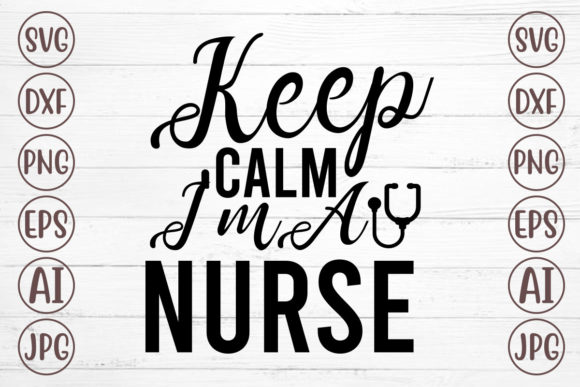
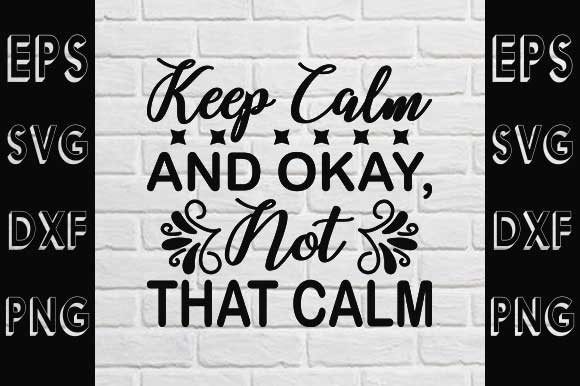
As someone who’s put hundreds of embroidery designs through the hoop, I approach every new file with a mix of excitement and practical scrutiny. Today, I'm looking at the 'Nurse Svg Design, Keep Calm and Okay' from the perspective of using it in real projects—for clients, for my small shop, and for gifts. The first thing that strikes me is the mood. It’s not a stern or overly serious medical graphic; it has a playful, resilient personality. The classic 'Keep Calm' framework is instantly recognizable, but the 'And Okay' twist feels genuinely supportive and human. For a nurse, or someone gifting to a nurse, that tone is perfect: it acknowledges the pressure while offering a wink of camaraderie.
Where This Design Naturally Belongs
The layout is clean and graphic-led, which means it's going to translate beautifully into stitch. I immediately picture it on a custom tote bag for a nursing student—a practical, daily-use item that carries a personal motto. It would also shine on the left chest of a relaxed-fit sweatshirt, a go-to gift for a nurse after a long shift. The design’s clarity makes it a strong candidate for an embroidered patch, which could then be applied to aprons, caps, or even a decorative pillow for a home office. For baby items, like a burp cloth or a small blanket for a new mom in the profession, the gentle humor works well, scaled appropriately. In a craft business context, this design feels like a ready-to-sell product for Etsy listings or craft fair merchandise aimed at the healthcare community.
The provided file formats—EPS, SVG, DXF, PNG—cover the essential bases for both digital product sellers and hands-on makers. The SVG and DXF files are crucial for clean scaling and import into embroidery software, while the PNG is excellent for creating quick printable mockups for your online shop or for client previews. As a Graphics asset in the Crafts category, its versatility is its main strength.
Thinking Through the Stitch: Real-Life Performance
When I imagine this design stitched out, I consider the details. The lettering is likely the focal point. On a medium to large hoop size, satin stitches for the text will look crisp and professional, adding significant value to a handmade product. On a tea towel or kitchen towel—a popular personalized gift—the design would offer great visual appeal and stitching clarity. For a boutique product, like an embroidered linen pillow cover, it would elevate the presentation and feel giftable and recognition-worthy.
However, this is where practical judgment comes in. On very small hoop sizes, or on curved surfaces like caps, the smaller details and lettering need careful inspection. I would absolutely test the embroidery file on scrap fabric first, especially if planning to use it on textured or stretchy fabric like some sweatshirts. Stitch density is key here; too dense on thin fabric can cause puckering, while on dark fabric, thread color contrast must be planned meticulously. A proper stabilizer is non-negotiable to maintain that clean, graphic look.
Spots for Careful Application
Some projects require extra forethought. This design might have dense areas in the graphic elements. On layered garments or items that need frequent washing, like baby clothes, I’d consider simplifying the fill stitches or using a robust applique approach if the design supports it. Tiny lettering, if present, could blur on very textured backgrounds. For commercial embroidery projects running many units, testing for consistency across different machines and fabrics is a must. The visual personality is friendly, but professionalism comes from flawless execution.
This affects customer trust directly. A crisp, well-placed embroidery on a high-quality tote bag feels like a premium, thoughtful product. A poorly executed one, with unclear lettering on a tricky fabric, can undermine your brand consistency. For digital product sellers offering this as a design asset, providing clear notes on recommended hoop sizes and fabric types (based on your own tests) can greatly enhance buyer engagement.
Notes from the Hoop: A Designer's Checklist
- Always, always run a test stitch on a scrap of your target fabric. It reveals everything about stitch density and detail integrity.
- Check thread color contrast against both light and dark fabric backgrounds. Create black and white mockups to see the form clearly.
- Confirm the hoop size you intend to use. The design's scale will dictate its suitability for a delicate baby blanket versus a statement sweatshirt.
- Inspect the small details in your software. Are there corners or accents that might need a slight adjustment for your specific machine?
- Use the proper stabilizer for your fabric type—this is especially critical for the clean edges of a graphic design like this.
- Crucially, check the licensing terms provided with the file. Before selling finished items or commercial embroidery projects, confirm it's cleared for commercial use. This is a fundamental step for any craft business or Etsy seller.
The 'Nurse Svg Design, Keep Calm and Okay' has the core elements of a successful embroidery design: clear mood, versatile layout, and format support. Its real value will be unlocked by how thoughtfully you apply it. In my hands, it's destined for a soft, cotton apron for a nurse friend—a practical item with a personal cheerleader stitched right onto it. That’s the kind of project where this design moves from a digital file to a meaningful finished product.