A Practical Review of Remy the Worlds NURSE Embroidery Design
As someone who regularly puts embroidery files into actual production—for client orders, shop merchandise, and personal gifts—my first question about any new design is always: will it stitch out well and look great on a finished product? Let’s walk through that process with Remy the Worlds NURSE.
The Immediate Mood: Friendly, Bold, and Recognizable
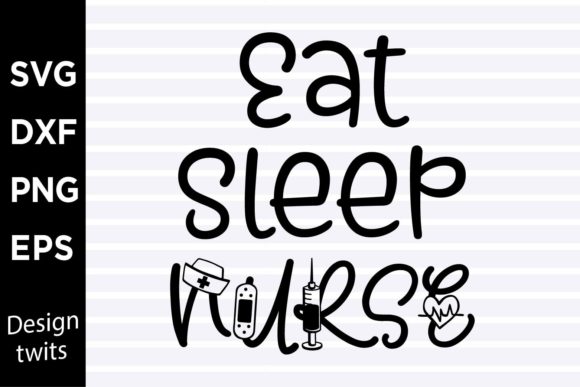
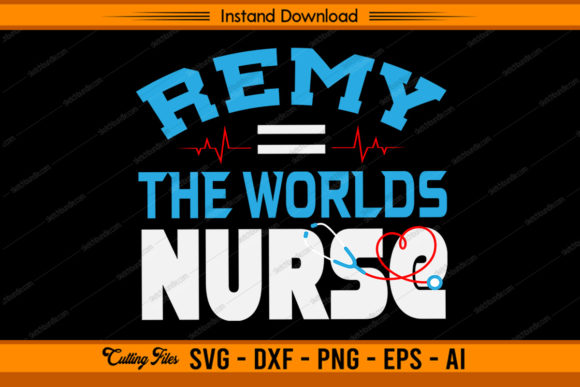
The first impression of Remy the Worlds NURSE is one of clear, confident character. The design’s layout and theme communicate a specific message instantly. This isn’t a subtle, tiny motif; it feels like a statement piece. Its visual personality is bold and friendly, making it naturally belong to projects where you want the appreciation or identity of a nurse to be the central, celebrated focus. For embroidery, this translates into designs that need to be readable and impactful from a distance.
The Natural Habitat for This Embroidery
In my mind, I immediately pictured it on a custom tote bag for a nursing school graduate. The larger canvas of a bag would let those bold shapes and letters really shine without being cramped. But its application spectrum is wide. Think embroidered sweatshirts for a healthcare team, a personalized patch on a nurse’s jacket, or a decorative pillow cover for a nursery or medical-themed room. For small business owners, this could easily become a core design for a line of custom apparel aimed at medical professionals or as a heartfelt personalized gift.
The design’s structure suggests it would work beautifully on baby items celebrating a nurse parent, aprons, or kitchen towels as a unique gift. It has that giftability factor—it feels special and directed.
Performance in Real-Life Embroidery Situations
Here’s where practical judgment comes in. How will Remy the Worlds NURSE behave when the machine starts stitching?
Strengths for Apparel and Goods
On stable fabrics like cotton twill for tote bags, mid-weight cotton for t-shirts, or fleece for sweatshirts, this design should perform reliably. The clear shapes and likely use of solid areas (satin stitch or fill stitch blocks) mean good stitching clarity. This directly boosts the product value and presents a professional, handmade presentation that builds customer trust. For Etsy sellers or boutique owners, using a design that stitches out cleanly is non-negotiable for brand consistency and buyer engagement.
It’s also perfectly suited for creating embroidered patches, which can then be applied to caps, bags, or uniforms. For digital product sellers, a clean embroidery file like this makes for excellent, trustworthy design assets and printable mockups in listings.
Where You Might Need a Careful Approach
Some contexts require extra planning. If you’re considering a very small hoop size—like for a delicate baby bib corner—the scale of the entire design might need adjustment to prevent tiny lettering from becoming dense and muddy. On textured fabrics (like terry cloth for towels) or stretchy fabrics (like jersey for caps), stabilizer choice becomes critical to maintain shape integrity.
Embroidering on dark fabric will require thoughtful thread color contrast to keep the design vibrant. Similarly, curved surfaces like caps demand attention to placement to avoid distortion in detailed corners. For products destined for frequent washing, such as aprons or tea towels, testing stitch density on similar fabric first is wise to ensure durability.
Affecting Visual Appeal and Customer Reaction
A design like Remy the Worlds NURSE isn’t just a pattern; it’s an emotional cue. When stitched onto a gift, it creates immediate recognition and connection. The finished product tells a story. For a craft business, this means the item has a clear audience and reason for purchase, which is invaluable. It elevates a simple sweatshirt into a meaningful piece of appreciation.
The visual appeal hinges entirely on execution. A crisp, well-stitched version on a high-quality hoodie looks premium and thoughtful. A poorly executed one, where details are lost, looks amateurish. That’s why the designer’s prep work is so key.
Practical Notes Before You Hoop Your Fabric
My standard advice, which applies fully here:
- Always test the design on scrap fabric first, using the same material and weight as your final project.
- Check thread colors against your final fabric background—do a light and dark fabric comparison mentally or with a mockup.
- Review the design’s details in a black and white preview if possible; this helps identify areas that might blend together if stitch types aren’t distinct.
- Confirm the physical hoop size needed. While the product description mentions SVG and PNG files for cutting machines, for machine embroidery, you must ensure your specific embroidery file format and size are compatible.
- Inspect small details and lettering. Will they be clear at your intended size?
- Most crucially, confirm licensing before selling finished items. The product is listed under Crafts and Graphics. You need to verify whether the license permits commercial embroidery projects, digital product resale, or only personal use. This step protects your business.
The Final Stitch: A Design With Clear Purpose
Remy the Worlds NURSE strikes me as a embroidery design with a strong, specific audience. Its value in real project use comes from that focus. It’s not a generic floral motif; it’s a tribute. For the crafter making a gift, the small shop owner catering to medical communities, or the apparel decorator filling a custom order, it provides a ready-made, impactful centerpiece.
The key to success will be pairing its bold personality with appropriate projects and executing the technical embroidery with care. On the right product—a sturdy tote, a cozy sweatshirt, a framed patch—it will stitch out with the warmth and recognition it intends to convey. Just remember the fundamentals: test, check, confirm, and then let the machine do its work, creating a finished product that genuinely honors its subject.