A Nurse's Wit: Using a Humorous Embroidery Design
The First Impressions: A Design That Speaks Louder Than Words
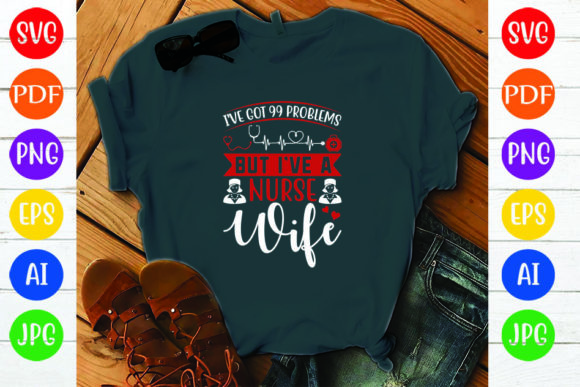
When I first looked at the "I've Got 99 Problems but I've a Nurse Wi" design, I wasn't just seeing text. I was seeing a mood. It’s witty, confident, and carries that distinctive blend of resilience and humor that resonates deeply within the nursing community and those who appreciate them. The layout is straightforward, making it a fantastic candidate for embroidery where clarity is key. The visual personality isn't overly decorative; it's a statement piece that relies on the power of the phrase itself. This tells me it belongs on projects meant to be worn, displayed, or gifted as a badge of identity and pride.
Where This Design Thrives: Real-Life Embroidery Projects
In my workshop, thinking about real applications, this design immediately suggested several perfect homes. Imagine it on a custom embroidered sweatshirt for a nurse—a personal, comfort-first item that makes a strong statement. A tote bag for carrying supplies, or a durable apron, would be another excellent canvas, turning everyday tools into personalized gear.
For small business owners and Etsy sellers, this design translates beautifully into popular products. It could become a standout piece on a cozy blanket, a witty patch for a backpack, or the focal point of a pillow cover for a home office. As a holiday gift or a personalized product for a healthcare worker, its appeal is immediate and emotional. In terms of craft business items, it’s versatile enough for boutique merchandise, offering recognizability that can build brand consistency for shops specializing in medical-themed or humorous handmade goods.
Considering the Stitch: Visual Appeal and Practical Value
Embroidering this phrase will create excellent stitching clarity if handled well. The letters, depending on the file's detail level, should translate into clean satin or fill stitches. This clarity directly boosts the product's perceived value. A crisp, well-executed embroidery job on a high-quality garment looks professional and builds customer trust. For the maker, it presents a handmade product with a polished finish, enhancing giftability and buyer engagement. When a customer sees a perfectly stitched, humorous phrase on a premium sweatshirt, they recognize the care taken—that’s the magic of a good embroidery file paired with skillful execution.
Navigating the Challenges: Where to Use Caution
Like any design, "I've Got 99 Problems but I've a Nurse Wi" has points that require a thoughtful approach. The main consideration will be the lettering. If the design has very small or tightly spaced letters, you need to be cautious.
- Small hoop sizes: Trying to fit the entire design into a very small hoop might compress the text, sacrificing readability.
- Textured or stretchy fabrics: Highly textured fabrics or thin, stretchy materials can distort clean letterforms. A good stabilizer is non-negotiable here.
- Dark fabric: Contrast is key. You'll need to carefully plan thread color choices to ensure the phrase pops on darker backgrounds.
- Curved surfaces: Embroidering on a cap or hat requires adjusting for the curve, which can affect the alignment of longer text lines.
- Dense stitch areas: If the design uses thick fill stitches for the letters, it can become very dense, which might be stiff on lighter fabrics like t-shirts.
Products destined for frequent washing, like baby clothes or kitchen towels, also need a robust embroidery setup—proper stabilizer and secure stitching—to ensure longevity.
Practical Notes from the Embroidery Desk
Before you commit this design to a final project, here are the steps I always take. They save time, materials, and ensure a perfect finished product.
- Test on scrap fabric first. Use the same fabric and stabilizer you plan for the final item. This reveals how the stitch density behaves and shows the true scale.
- Check thread color contrast. Run tests on both light and dark fabric backgrounds. Sometimes a mockup in black and white can help you judge value contrast separate from hue.
- Inspect the small details. Hoop a test piece and really look at the corners of letters and any decorative accents. This tells you if your machine and settings can handle the detail level.
- Confirm the licensing. The product description mentions it’s a Graphics file for Crafts. It is crucial to verify the specific license terms from the seller before using this design for commercial embroidery projects or selling finished items. Does it allow for physical product sales? Digital product resale? Always confirm.
- Consider the final use. Ask yourself: Is this for a personal gift, or for my small shop product line? That answer will guide your choices on fabric quality, thread cost, and overall effort.
The Final Stitch: A Design with Purpose
Ultimately, "I've Got 99 Problems but I've a Nurse Wi" is more than a digital embroidery file. It’s a design asset with a clear voice and target audience. Its success in your embroidery project hinges on pairing its witty theme with thoughtful technical execution. By testing thoroughly, choosing the right fabric and stabilizer, and respecting its licensing scope, you can transform this graphic into a cherished custom apparel item, a bestselling embroidered patch, or a truly memorable personalized gift. It’s a design that, when stitched well, carries a story—and that’s the best kind of project to have in your hoop.