A Nurse's Emblem: Judging a Stethoscope SVG for Real Embroidery
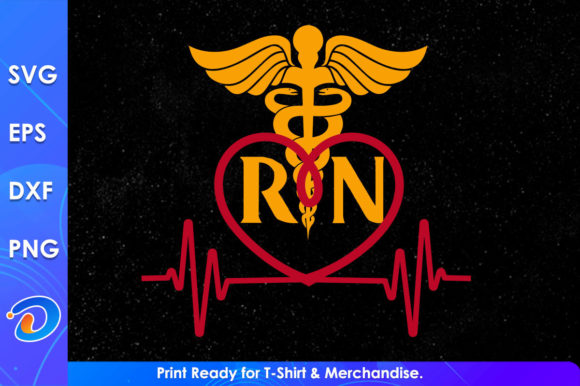
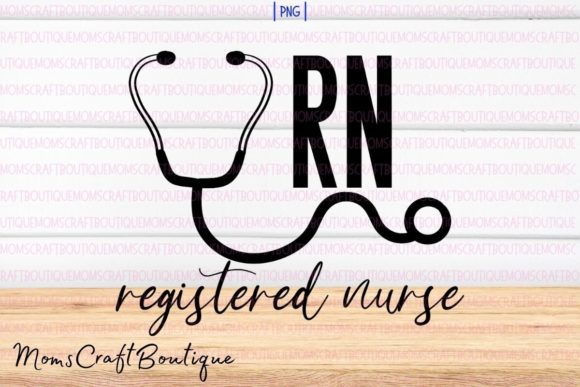
Whenever I'm reviewing an embroidery file for real-world use, I try to picture it not just on the screen, but stitched out on fabric. It's the difference between a nice graphic and a design that truly earns its place on a finished product. The "Registered Nurse Svg, RN Svg Stethoscope" design is one I'd consider for client projects, especially gifts and custom merchandise celebrating the nursing profession. My first impression is that it's a straightforward, classic emblem—clean, recognizable, and built around a core symbol of the medical field.
The Personality of a Professional Symbol
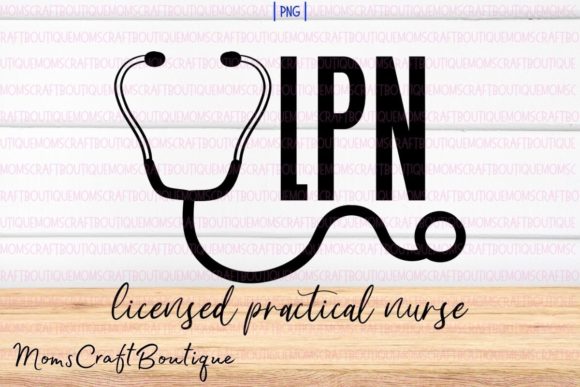
The layout here is clear and focused. The stethoscope is the hero, often paired with the "RN" or "Registered Nurse" text. This creates a mood of respect and professional pride. It doesn’t feel overly casual or decorative; it’s more of a badge of honor. This visual personality means it naturally belongs to projects meant for recognition: celebration gifts for a graduation, a thank-you present for a nurse, or merchandise for a nurse-run small business. It would feel out of place on a purely whimsical item, but perfect on something intended to convey dignity and achievement.
For embroidery, this translates to projects like custom apparel for nursing students, embroidered tote bags for clinical tools, or a subtle patch on a work bag. I've imagined it stitched on a dark navy sweatshirt for a nurse—the crisp lines of the stethoscope standing out against the fabric, creating a gift that feels personal and professionally aligned.
Where This Design Performs Brilliantly
In real-life embroidery situations, this design’s strength is its clarity. On a sweatshirt or t-shirt, the emblem would stitch out with good definition, especially if the "RN" lettering is kept at a readable size. It would work beautifully on a pillow cover or throw blanket as a celebratory home decor item. For a small business owner, say an Etsy seller creating nurse-themed aprons or tea towels, it offers a ready-made, professional-looking asset.
The value for a craft business is straightforward: it taps into a specific, appreciative audience. A finished embroidered tote bag with this design isn't just a bag; it's a statement of support. That boosts product value and customer trust. For a personalized gift, like a baby item for a nurse mom, it adds a layer of personal meaning that generic designs can't match. The visual appeal hinges on execution—clean stitching, good thread contrast, and appropriate placement.
A Practical Scenario: Preparing a Custom Embroidered Tote
Let's say I'm using this file to prepare a custom tote bag for a nurse client. My immediate thoughts are about stitch clarity on the bag's often coarse fabric. I'd consider scaling the design to ensure the stethoscope details aren't lost in a too-small hoop. I'd plan thread colors—perhaps a classic navy or medical blue for the stethoscope, with white text for contrast. This isn't a dense, fill-heavy design, so it should stitch relatively quickly, which is good for production. The final product would look clean, professional, and gift-ready, likely eliciting a positive, proud reaction from the recipient.
Caution Zones and Considerations
This design should be used carefully in a few key situations. On highly textured fabrics like some towels, the finer lines might get lost. On stretchy fabric without proper stabilization, the lettering could distort. The most critical area is likely small details: if the "Registered Nurse" text is rendered very small, it could become a muddled, dense stitch area, especially on dark fabric backgrounds. I'd avoid stitching this on curved surfaces like caps if the design is too wide, as it might warp.
Products that need frequent washing, like kitchen towels or baby clothes, require extra attention to stitch density and stabilizer to ensure longevity. And for any commercial embroidery project, the foundational step is always confirming the licensing. Since the product description notes the creator doesn't work with trademarked material, it's a good sign, but I always advise crafters and Etsy sellers to verify the specific terms before selling finished items.
Notes for the Embroidery Designer
Before loading this embroidery file for a real project, my practical checklist would be:
- Test on scrap fabric first, especially the actual fabric type I plan to use.
- Review stitch density in the file preview to anticipate thread buildup.
- Check thread color contrast for both light and dark background mockups.
- Confirm the physical hoop size needed for the desired final size on the product.
- Inspect any small details in the lettering or stethoscope curves to ensure they'll stitch cleanly.
- Use proper stabilizer for the fabric—this is non-negotiable for a clean finish.
- Remember that a good digital embroidery file is a tool; the final handmade product quality depends on your setup and execution.
The "Registered Nurse Svg, RN Svg Stethoscope" design, as a graphics product in the crafts category, is a solid, purposeful asset. Its real-world success depends on pairing it with the right project, fabric, and embroidery technique. When done thoughtfully, it can create a finished product that feels both professionally respectful and personally meaningful, which is exactly what makers and their customers often seek.