A Nurse Hair Don't Care SVG for Embroidery Review
When a new embroidery design lands in my inbox, my first thought is always the same: Will this actually work in a real project? I’m not just looking at it as a graphic on a screen; I’m visualizing thread, fabric, stabilizer, and a customer's reaction. Today, I’m putting the A Nurse Hair Don't Care SVG Vector File through that exact lens.
First Impression: A Dose of Humor and Resilience
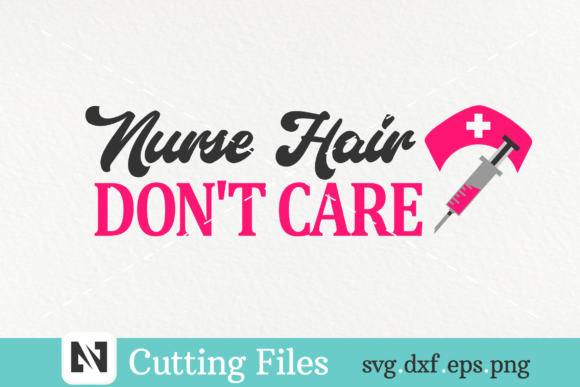
The moment I opened this nurse graphics file, the mood was clear. It’s playful, defiant, and full of character. The phrase itself—“Hair Don’t Care”—immediately suggests a relaxed, confident attitude, perfect for celebrating the hardworking, often-understated heroism of nurses. The layout and typography feel bold and straightforward, which is a great starting point for embroidery. It doesn’t have overly intricate details that would vanish under stitches, and the visual personality is friendly and modern. This isn’t a formal, sterile medical logo; it’s a personal statement. I instinctively pictured it on a well-loved sweatshirt or a sturdy tote bag—items that carry personality as much as function.
Where This Design Thrives in Embroidery Projects
Let’s walk through a real scenario. Imagine you’re a small shop owner preparing a batch of custom embroidered tote bags for a local hospital’s nurse appreciation week. This is exactly where A Nurse Hair Don't Care SVG Vector File would shine. The bold lettering translates beautifully into satin stitch or a crisp fill stitch, creating excellent readability. On a medium-weight canvas tote, with proper stabilizer, the design would stitch out cleanly, holding its shape and visual impact.
Beyond tote bags, this graphics file naturally belongs to a whole range of projects:
- Custom apparel like sweatshirts and t-shirts, especially for a relaxed, personal gift.
- Embroidered patches that nurses could attach to bags or jackets.
- Aprons or kitchen towels for a nurse who loves to bake—a fun, personalized touch.
- Pillow covers or nursery decor for a nurse expecting a baby, adding a humorous, professional twist to handmade items.
- Holiday gifts like embroidered blanket edges or cap designs, moving beyond generic presents.
For an Etsy seller or boutique, this design boosts product value by offering a recognized sentiment with a handmade, professional finish. It feels giftable and engaging, likely to resonate deeply with both nurses and those buying for them.
The Commercial Craft: Trust and Consistency
Using a design like this in your craft business or for commercial embroidery projects requires a bit of forethought. The visual appeal is strong, but stitching clarity is paramount. On dark fabric, you’d need to plan thread color contrast carefully—a bright white or a vibrant color pop would be essential. The design’s bold nature helps maintain brand consistency if you’re building a line of nurse-themed products; it’s recognizable and professional.
However, the real test of any embroidery file is how it handles the nitty-gritty of machine embroidery. This is where practical judgment comes in.
Considerations for Stitching Success
While the design appears clean, there are always areas to use carefully. The phrase has lettering, and depending on the exact conversion to an embroidery file, tiny details in the font could become problematic.
- Small hoop sizes might compress the lettering too much, losing readability.
- Textured or stretchy fabrics like certain knits could distort the clean lines without adequate stabilizer.
- Curved surfaces like caps require testing; the layout needs to sit well on a rounded plane.
- Products needing frequent washing (like baby clothes or tea towels) demand a robust stitch density that won’t fray. A dense fill stitch area here would be beneficial.
The included description notes it’s for use in cutting machines, printing, and other softwares. As an embroidery designer, I’d advise you to confirm that the vector file is compatible with your specific embroidery software conversion tools and to absolutely check the licensing terms before selling any finished items or digital products derived from it.
Practical Designer Notes Before You Hoop
My process for any new design, including this nurse graphics, is hands-on. Don’t just trust the screen preview.
- Test on scrap fabric first. Use the same material you intend for the final project—a piece of sweatshirt fleece or canvas.
- Review stitch density in your converted file. Too dense can pucker thin fabric; too light won’t hold up.
- Check thread color contrast by running a simple stitch-out in both light and dark fabric backgrounds. Sometimes a design needs a slight outline adjustment.
- Confirm your hoop size can accommodate the design with clean margins, especially for patches.
- Inspect small details after conversion. Are the corners of letters sharp? Will they stitch cleanly?
- Use proper stabilizer. This is non-negotiable for professional results on any fabric.
These steps turn a good graphics file into a great embroidery project, safeguarding your time, materials, and customer trust.
The Final Stitch: A Design with Real Project Potential
Evaluating A Nurse Hair Don't Care SVG Vector File from a maker’s perspective, I see solid potential. Its mood is contemporary and heartfelt, its layout is embroidery-friendly, and it fits naturally into a wide array of handmade products and personalized gifts. For the embroidery designer, small business owner, or crafter looking to create something with genuine resonance, this design offers a strong foundation. It’s not just a graphic; it’s a sentiment ready to be stitched into something tangible—a tote bag for a long shift, a cozy pillow for a well-earned rest, or a patch that says, “I see your hard work, and I celebrate your spirit.” That’s the real value of a good design asset: it becomes part of a story, held together by every stitch.