A Designer's Take on Santa's Favorite Peds Hem Nurse
When you're constantly sourcing embroidery designs for client projects or your own shop, you develop a quick eye for what works and what won't. Opening a new design file feels like a first meeting—you're assessing its personality, its potential, and its practical quirks. So, let's talk about this particular design: Santa's Favorite Peds Hem Nurse.
The Immediate Mood and Personality
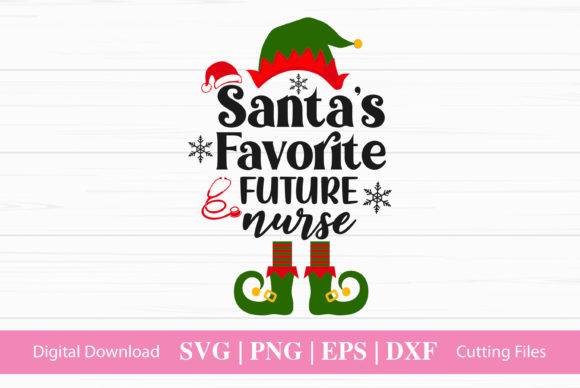
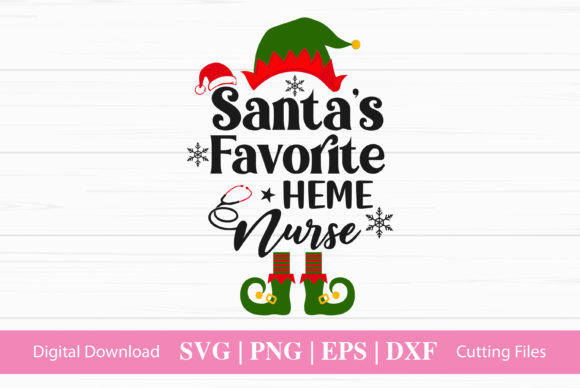
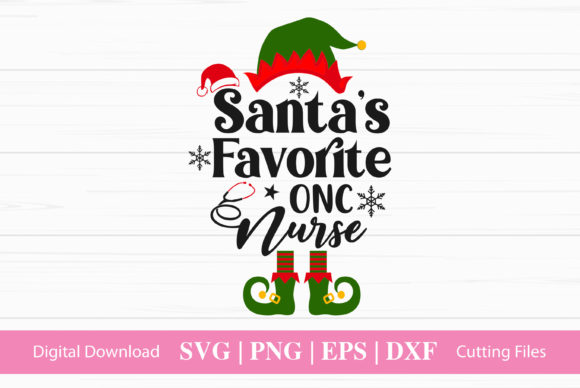
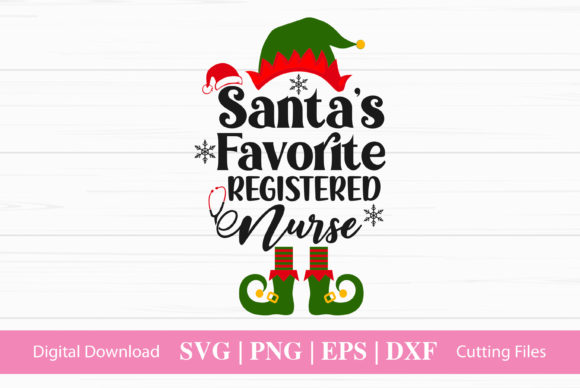
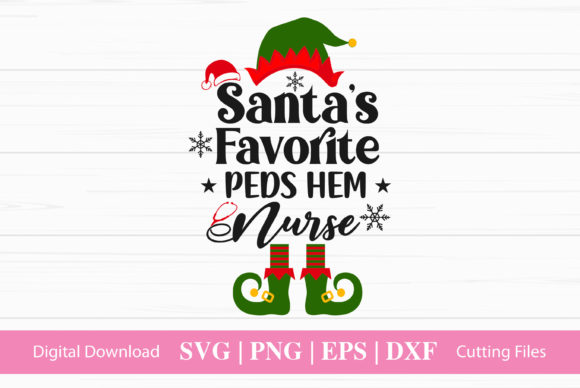
The title itself tells a story, a clever, festive nod to the nursing profession. That's its primary charm. As a designer, my first impression is that this is a niche design with a powerful emotional hook. It’s not a generic snowflake; it's a conversation starter aimed at a specific, appreciative audience—nurses, healthcare workers, or anyone who loves a good holiday pun. Visually, from the description as a digital file, I'm expecting a layout that combines text with some illustrative elements, likely needing a careful balance between the words "Santa's Favorite" and the core "Peds Hem Nurse" idea. The mood is playful, professional, and deeply seasonal. It creates an instant sense of recognition and belonging for that target viewer.
Where This Design Finds Its Perfect Home
This isn't a design you'd slap onto any random product. Its strength lies in intentional pairing. I'm immediately thinking of custom apparel for a nursing unit's holiday party—embroidered onto the chest of a soft, high-quality sweatshirt. A tote bag for a nurse who carries their world with them, making a daily accessory feel special and celebrated. It would shine as a decorative patch on a holiday apron for a healthcare worker who loves to bake. The design feels perfect for personalized gifts: imagine a neatly stitched tea towel or pillow cover for a nurse friend, a true "I get you" present. For small business owners, especially those targeting the medical community or offering custom holiday merchandise, this design could be a standout item in an Etsy listing or at a craft fair booth.
Real-Life Scenario: The Holiday Tote Bag
Picture this: You're preparing a limited-run holiday tote for your small shop. You want something that feels handmade, professional, and gift-ready. You choose a sturdy canvas tote. This design, with its specific message, isn't competing with loud holiday graphics; it's offering a witty, insider sentiment. Stitched centrally on the bag, the text becomes the focal point. The success hinges entirely on the stitching clarity and the final visual appeal. Clean, crisp satin stitches on the lettering, with any decorative elements (like a small Santa hat or holly) rendered with clean fill stitches, would make this product feel valuable. The customer isn't just buying a bag; they're buying a badge of honor, a piece of identity. That elevates the product value and builds customer trust in your craftsmanship.
Performance in the Real World of Stitching
Moving from concept to hoop, practical considerations come front and center. For any embroidery project, the devil is in the details. With a text-heavy design like this, small lettering details are the critical point. "Peds Hem Nurse" needs to be perfectly legible after stitching. On a curved surface like a cap, extra caution is needed—the design layout must accommodate the curve without distorting the words. On textured fabrics like a blanket or a thick sweatshirt, stitch density needs to be sufficient to prevent the fabric texture from swallowing the text. On thin or stretchy fabrics, like a t-shirt, a solid stabilizer strategy is non-negotiable to prevent puckering, especially around dense stitch areas.
Color contrast is another key player. This design likely thrives on high contrast. On a dark fabric, like a navy sweatshirt, using bright, festive thread colors (reds, whites, greens) would make it pop beautifully, enhancing its handmade presentation. On a light background, deeper, richer tones would anchor it. Always, test on scrap fabric first. This is the golden rule. Run a test on a piece of the exact final material to check for thread tension, density, and the readability of those tiny details.
Points of Careful Attention
As a reviewer, I'd flag a few areas where an embroidery designer should slow down. First, hoop size. If the design is compact, a smaller hoop might work, but if it's more spread out, you need to ensure your machine and project can accommodate it. The product description mentions it's a digital file for cutting machines, but for embroidery, you must confirm the embroidery file specifics yourself—check the provided formats, the stitch count if available, and the intended hoop size before committing to a project.
Second, fabric choice. This design, given its likely sentimental use, might end up on items needing frequent washing, like kitchen towels or wearable apparel. A robust stitch construction and quality thread will ensure longevity and maintain brand consistency for a seller. Third, commercial use. The description notes it's a digital file. If you're a creative entrepreneur planning to sell finished products or digital product previews using this design, you must confirm the licensing terms directly. Never assume; always verify that your intended commercial use is permitted.
Designer Notes for a Smooth Project
- Test, test, test. Run the embroidery file on scrap material that matches your final project's weight and texture.
- Check thread color contrast against both light and dark fabric backgrounds in a digital mockup if possible, then in actual thread.
- Review the stitch density in the file details—too dense can stiffen thin fabrics; too light can look sparse on thick ones.
- Inspect the small details in the design preview. Are there tiny decorative accents that might get lost or become overly complex?
- Use the proper stabilizer for your fabric. This is the foundation of a professional-looking finished product.
- For apparel decorators, consider the garment's layering. Will it be worn over other clothes? The design should withstand that.
The Final Stitch: Impact on Your Craft
Ultimately, Santa's Favorite Peds Hem Nurse is a design with a clear purpose. Its value lies in its specificity. For embroidery designers and makers, it offers a chance to create something that feels exclusive and thoughtful. It boosts buyer engagement because it speaks directly to a person's profession or passion. In a marketplace full of generic holiday graphics, this kind of niche design can help a small shop or Etsy seller stand out. It enhances giftability and recognition because the recipient immediately understands the meaning.
From a purely practical design judgment, its success in a real embroidery project depends on your skill in execution and your attention to the fundamentals: clarity, contrast, and context. Handle the details with care, choose the right product canvas, and this design can stitch up into a professional, charming, and deeply appreciated piece of holiday craft.