A Designer's Review: The "I Love Tiny Humans" Nurse Embroidery Design
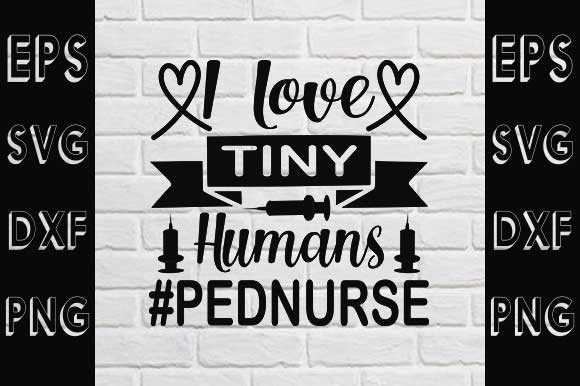
When a design lands in my digital library, I immediately start picturing how it will translate from a screen to stitches on fabric. The "I Love Tiny Humans" nurse design isn’t just a cute graphic; it’s a potential product, a gift, a piece of personal branding for a small shop. My first impression? It’s warm, approachable, and professionally sweet. The phrase itself creates an instant mood of care and affection, perfect for the nursing community. The layout, likely centered around that heartfelt text, feels like it’s built for clarity—a key consideration when your embroidery design is going to be read and felt emotionally by the end customer.
Where This Design Finds Its True Home
This design naturally belongs to a specific world of projects. I’m thinking of a custom embroidered tote bag for a pediatric nurse, a soft sweatshirt for a night-shift hero, or a delicate blanket for a nurse’s own tiny human. It would shine on a crisp apron in a children’s hospital fundraiser or as a subtle, meaningful patch on a backpack. For boutique owners or Etsy sellers specializing in healthcare gifts, this is a ready-made asset for holiday gifts, wedding presents for nurse couples, or simple nursery decor that speaks to a parent’s profession.
The value here is in its resonance. An embroidered piece with this message isn’t just apparel; it’s a statement. It boosts the perceived value of a handmade product because it connects personally. For a creative entrepreneur, it builds customer trust—you’re offering something that understands the recipient. In a craft fair booth or an online mockup, it engages buyers immediately because it’s specific and heartfelt.
Navigating the Stitching Realities
In real-life embroidery situations, this design’s performance hinges on thoughtful execution. On a dense sweatshirt or a sturdy tote bag fabric, it will hold up beautifully. For baby clothes or thinner fabrics, you must consider stitch density and stabilizer choice carefully. The potential for small lettering in "Tiny Humans" is my primary note: test it first. Always run a sample on scrap fabric identical to your final product. Check the thread color contrast against both light and dark backgrounds—a white satin stitch on a dark navy cap needs perfect coverage.
Be mindful of scale on curved surfaces like caps or on textured fabrics where details can get lost. If the design includes decorative accents or fill stitch areas, ensure your hoop size can accommodate the entire design without compromising the integrity of those tiny letters. For products destined for frequent washing, like kitchen towels or everyday apparel, a robust stitch construction is paramount. This isn’t a design you want to see fray after a few washes; it diminishes professionalism and craft.
Designer Notes for a Flawless Finish
Before committing this to a client’s project or your small shop merchandise, your process is crucial. Beyond the scrap fabric test, review the digital embroidery file in black and white mockups to see how the shapes read without color. Compare how it looks on a light versus a dark fabric background in your software; sometimes a design needs a slight offset or an underlay stitch adjustment for optimal clarity on dark materials.
The provided file formats—EPS, SVG, DXF, PNG—are a versatile suite for different needs. The SVG and DXF files are typically ideal for machine embroidery design software, while the PNG is perfect for creating printable mockups for your Etsy listings or digital product previews. A critical step: confirm the licensing. Before selling any finished product or using this as a commercial embroidery asset, you must understand the terms. Does the purchase allow for commercial use of the embroidered items? Never assume.
Use proper stabilizer for the fabric you choose. This supports clean small details and prevents puckering, especially on stretchy fabric or layered garments. Consider thread colors that enhance the warm mood—soft pastels or classic medical whites and blues. The goal is stitching clarity that makes the handmade presentation feel intentional and high-quality.
When to Exercise Caution
This design should be used carefully in certain contexts. Very small hoop sizes might compress the lettering to the point of illegibility. Thin fabrics like lightweight tees may require a lighter stitch density setting to prevent a stiff, bulky feel. On detailed corners or potentially dense stitch areas, machine settings need fine-tuning. And for any applique design interpretation, ensure the cut lines are clear in the files.
Ultimately, the "I Love Tiny Humans" nurse embroidery design is a strong graphic asset. It has the visual personality to drive engagement and the practical basis, with multiple file types, to be adapted well. It fits seamlessly into the crafts and graphics ecosystem for makers targeting a niche audience. By approaching it with this realistic, professional mindset—testing, adapting, and respecting its licensing—you transform a simple download into a product that carries real meaning and lasting craft.